Marine Forensics & Boating Accident Investigation in Delaware
Delaware’s waterways range from the Atlantic Ocean and Delaware Bay to the Delaware River, Inland Bays, rivers, canals, lakes, and ponds. The state maintains public boating access across these different environments, while DNREC manages navigation channels and waterway projects throughout Delaware. (DNREC — Boating | DNREC — Boating & Fishing Access Locations | DNREC — Waterway Management)
These varied boating environments can create complex circumstances when collisions, PWC accidents, groundings, propeller injuries, mechanical failures, or other serious incidents occur. Vessel movement, speed, navigation, operator actions, weather, currents, water conditions, and electronic evidence may all become important to determining what happened.
WakeTrace Marine Forensics provides boating accident investigation, marine accident reconstruction, forensic evidence analysis, and expert witness services throughout Delaware. Our team brings more than 100 years of combined marine and law-enforcement experience to complex boating cases.
Boating Accident Investigation in Delaware
Delaware boating incidents can involve questions about vessel operation, navigation, speed, visibility, mechanical condition, operator conduct, and environmental conditions.
WakeTrace investigates and reconstructs incidents including:
- Boat and vessel collisions
- Jet ski and personal watercraft accidents
- Tow-sports and tubing incidents
- Propeller injuries
- Groundings and navigation incidents
- Nighttime and reduced-visibility accidents
- Boating-under-the-influence cases
- Mechanical and engine failures
- Serious injury and fatal boating accidents
Depending on the circumstances, WakeTrace may analyze vessel damage, GPS and navigation data, vessel electronics, photographs and video, witness information, mechanical components, and environmental conditions to establish an objective sequence of events.
Delaware Boating Laws & Marine Investigations
Delaware's boating requirements are established through Title 23 of the Delaware Code and DNREC boating regulations. The state's rules address vessel operation, registration, equipment, boating safety education, accident reporting, navigation, and enforcement. (Delaware Code — Title 23 | DNREC — Boating Safety)
For accident reconstruction, WakeTrace can evaluate the evidence in the context of the state, federal, and waterway-specific requirements applicable to the incident.
Delaware Boating Accident Reporting
Delaware law authorizes regulations governing the reporting and investigation of boating casualties and accidents. Current DNREC boating regulations require reports for qualifying incidents involving death, injury requiring medical treatment beyond first aid, qualifying property damage, or disappearance under circumstances indicating death or injury. (Delaware Code § 2113 | DNREC — Boating Regulations)
Delaware's boating accident reports also have specific statutory treatment regarding their use and disclosure, making the preservation and analysis of other available evidence particularly important in a disputed marine case. (Delaware Code § 2117)
WakeTrace can help attorneys, insurers, and other clients evaluate available physical, electronic, photographic, video, witness, and mechanical evidence surrounding a serious boating incident.
Boating Under the Influence in Delaware
Delaware prohibits operating a vessel while under the influence of alcohol or drugs or with an alcohol concentration of 0.08 or more. Delaware law also defines vessel operation broadly to include operating, commanding, or having actual physical control of a vessel. (Delaware Code — Chapter 23)
In suspected BUI cases, WakeTrace can evaluate vessel movement, operator actions, speed, navigation data, physical evidence, witness accounts, and other evidence relevant to the sequence of events.
Boating Safety & Operator Requirements
Delaware requires persons born on or after January 1, 1978 to successfully complete a boating safety course before operating a motorized boat, including personal watercraft, on Delaware waters. DNREC's boating safety program also addresses rules of the waterways, navigation aids, water depths, and appropriate speed limits. (DNREC — Boating Safety)
These requirements may become relevant when an investigation involves questions about operator qualifications, vessel operation, speed, navigation, or compliance with applicable boating rules.
Delaware Boating Accident Environment
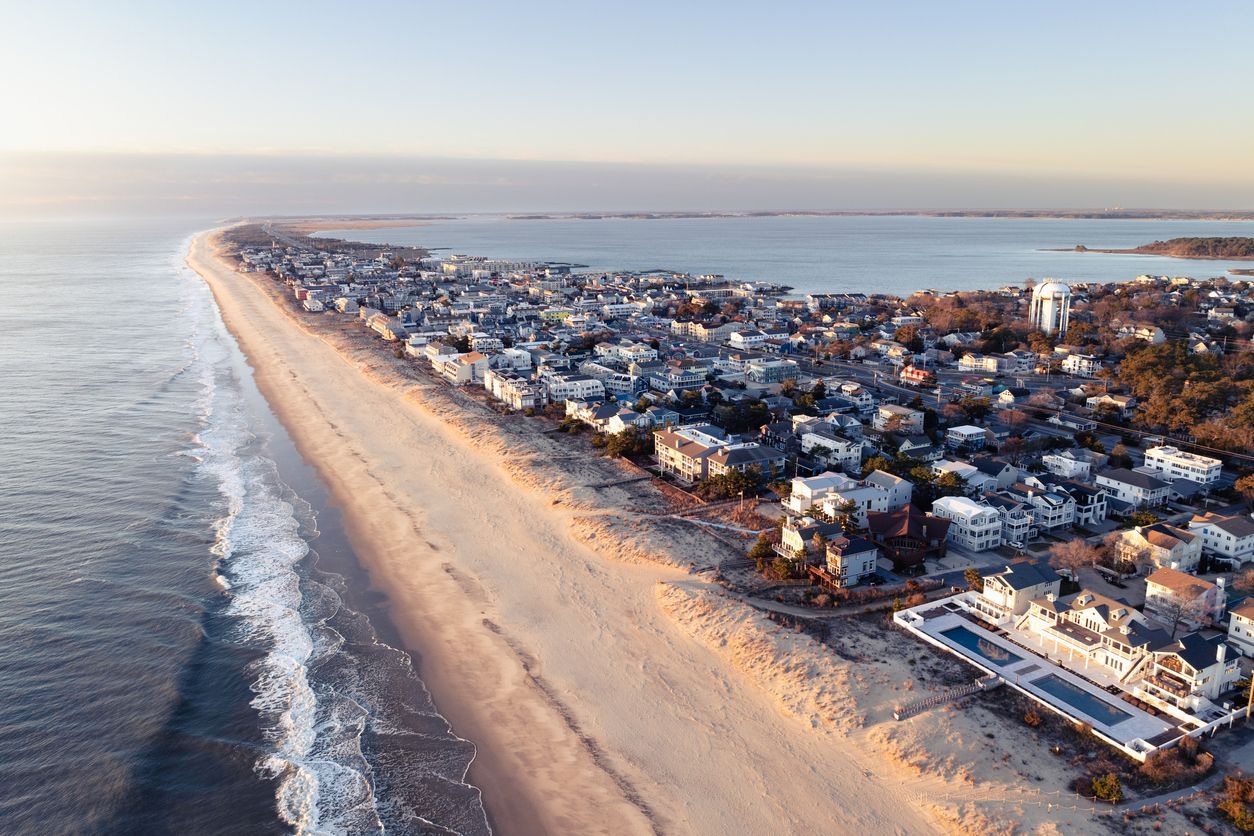
Delaware's relatively compact geography includes several distinct boating environments, from tidal rivers and estuaries to coastal bays and open Atlantic waters. DNREC maintains and improves navigable waterways, including bays and canals, and conducts projects involving dredging, navigation channels, and navigation hazards. (DNREC — Waterway Management)
For marine investigators, the location of an incident can therefore be critical. Tides, currents, channel configuration, water depth, navigation markers, vessel traffic, and changing environmental conditions may all affect how an accident occurred.
Common Delaware Waterways We Serve
WakeTrace provides marine forensic investigation and accident reconstruction throughout Delaware, with frequent service across major rivers, bays, canals, inland waterways, and coastal boating areas where vessel traffic, changing water conditions, and navigation challenges can complicate marine incidents.
Delaware Bay
Delaware Bay supports substantial recreational and commercial vessel traffic across a large tidal estuary. Currents, tides, navigation channels, weather, and vessel positioning can create complex conditions when investigating collisions and other serious marine incidents.
Delaware River
The Delaware River combines recreational boating with significant commercial and industrial vessel traffic. Vessel size, navigation channels, currents, traffic patterns, and visibility can all become important factors in collision reconstruction and marine investigations.
Behemoth Bay & Indian River Bay
Delaware's Inland Bays see extensive recreational boating activity, particularly during the warmer months. Congestion, narrow channels, changing tides, shallow areas, and vessel positioning can become important when investigating collisions, groundings, and other incidents.
Lewes & Rehoboth Canal
The Lewes and Rehoboth Canal connects Delaware Bay with the Inland Bays and carries recreational vessel traffic between these waterways. Limited channel space, vessel positioning, tides, and navigation can become significant factors in accident reconstruction.
Indian River Inlet & Coastal Delaware
Indian River Inlet and surrounding coastal waters combine tidal currents, changing weather, recreational traffic, and access between the Inland Bays and Atlantic Ocean. These conditions can make vessel movement and environmental evidence particularly important in marine investigations.
Marine Forensic Services in Delaware
WakeTrace provides marine forensic and litigation-support services for Delaware boating cases.
Boating Incident Investigation & Reconstruction
WakeTrace reconstructs boat collisions, PWC accidents, tow-sports incidents, propeller injuries, groundings, nighttime accidents, mechanical failures, and other serious marine incidents.
Litigation Support & Expert Witness Services
WakeTrace provides case analysis, expert reports, deposition preparation, courtroom preparation, expert testimony, and trial support for attorneys and other clients involved in marine litigation.
Digital, Mechanical & Technical Evidence
WakeTrace analyzes GPS and navigation data, vessel electronics, engine information, video, photographs, cell phone records, mechanical evidence, and other technical information relevant to a marine incident.
Manufacturer, Carrier & Industry Support
WakeTrace assists insurance carriers, boat manufacturers, and industry clients with claim investigations, liability analysis, vessel defects, mechanical failures, and product-related marine incidents.
Delaware Marine Forensics & Boat Accident Investigation
When the circumstances surrounding a boating accident are disputed, objective evidence can help establish what actually happened.
WakeTrace Marine Forensics provides marine accident investigation, boating accident reconstruction, forensic evidence analysis, and expert witness services throughout Delaware. Our team combines marine law-enforcement experience, forensic methodology, technical analysis, and accident reconstruction to help attorneys, insurance carriers, manufacturers, and other clients understand complex boating incidents.
24/7 Service Availability
Delaware • Nationwide