
Marine Forensics & Boating Accident Investigation in Texas
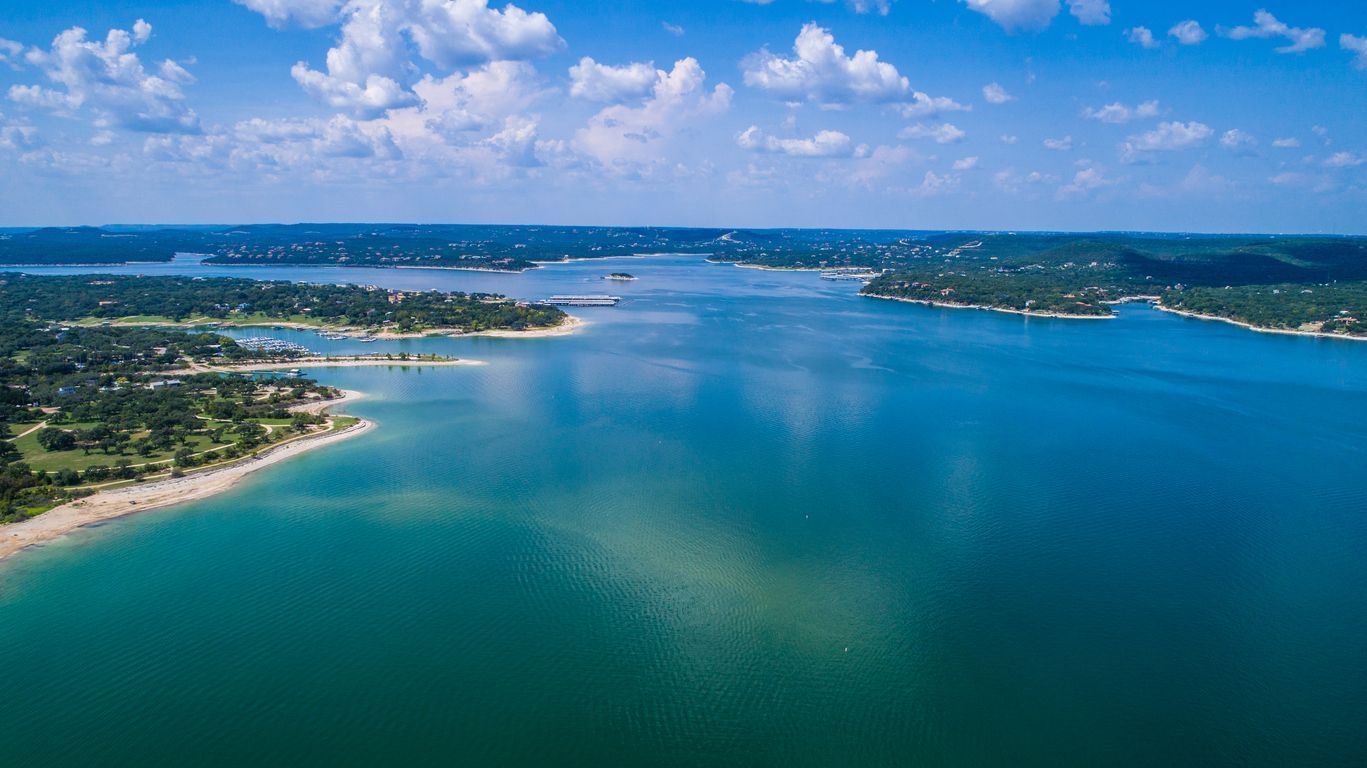
Texas has one of the largest and most diverse boating environments in the country, with approximately 536,000 registered recreational boats and an estimated 359,000 additional unregistered recreational vessels using the state's public waterways, according to Texas Parks & Wildlife's Recreational Boating Incident Statistics 2025 report. The state also encompasses approximately 191,000 miles of streams, 15 major river basins, eight coastal basins, and 196 major reservoirs, according to the Texas Water Development Board.
With this many vessels and waterways, boating incidents can occur in environments ranging from large inland reservoirs to busy coastal channels. Determining what happened after a serious marine incident may require more than a police report or witness statement. GPS data, vessel damage, electronic records, operator actions, weather, water conditions, and other evidence may all play a role.
WakeTrace Marine Forensics provides boating accident investigation, marine accident reconstruction, forensic evidence analysis, and expert witness services throughout Texas. Our team brings more than 100 years of combined marine and law-enforcement experience to complex boating cases involving collisions, personal watercraft, injuries, mechanical failures, and other marine incidents.
Boating Accident Investigation in Texas
Texas boating accidents can involve complicated questions about vessel operation, navigation, speed, visibility, mechanical condition, operator behavior, and environmental conditions.
WakeTrace investigates and reconstructs a wide range of marine incidents, including:
- Boat and vessel collisions
- Jet ski and personal watercraft accidents
- Tubing and tow-sports incidents
- Propeller injuries
- Nighttime and reduced-visibility accidents
- Impaired-operator and BWI cases
- Mechanical and engine failures
- Serious injury and fatal boating accidents
Depending on the circumstances, WakeTrace may analyze vessel damage, GPS and navigation data, electronic evidence, photographs and video, witness information, mechanical components, and environmental conditions to establish an objective, evidence-based understanding of what happened.
Texas Boating Accident Statistics
According to the Texas Parks & Wildlife 2025 Boating Incident Statistics, Texas recorded 178 reportable boating incidents in 2025, including 45 fatal incidents, 50 fatalities, and 59 injury incidents involving 77 injured people. TPWD also reported more than $3.27 million in property damage and 37 vessel losses.
TPWD reported that drowning accounted for 70% of Texas boating fatalities in 2025, while 84% of fatal-incident victims were not wearing a life jacket. Texas Game Wardens also made 223 boating-while-intoxicated arrests during the year.
| Reportable Accidents | Fatal Incidents | Fatalities | Injury Incidents | People Injured | Property Damage | Vessel Losses |
|---|---|---|---|---|---|---|
| 178 | 45 | 50 | 59 | 77 | $3.27 million | 37 |
These statistics highlight the seriousness of boating incidents in Texas. WakeTrace examines vessel damage, operator actions, navigation data, witness accounts, safety equipment, and other available evidence to help reconstruct what happened in an individual case.
Texas Boating Laws & Accident Reporting
Texas boating regulations can become an important part of a marine accident reconstruction, particularly when a case involves questions about operator conduct, vessel speed, right of way, or navigation.
Texas Boating Accident Reporting
According to Texas Parks & Wildlife's boating accident reporting requirements, operators of any vessel must report accidents and casualties to a local law enforcement agency or to the Texas Parks and Wildlife Department.
A boating accident must be reported within 30 days when it results in:
- Death or a missing person
- An injury requiring treatment beyond first aid
- Property damage exceeding $2,000
Operators involved in an accident must also stop and render necessary assistance when practicable.
After a serious boating accident, preserving and documenting the available evidence can be critical. WakeTrace can help attorneys, insurance carriers, and other clients evaluate the circumstances surrounding an incident by analyzing vessel damage, GPS and navigation data, photographs, video, witness information, mechanical evidence, and other available records. Early investigation can help preserve important evidence and establish an accurate timeline of events.
Speed, Navigation & Wake Regulations
Under the Texas Parks & Wildlife - Operation of Your Boat, Texas prohibits operating a vessel at a speed greater than is reasonable and prudent or at a speed that prevents the operator from stopping within the assured clear distance ahead. State regulations also address hazardous wakes, reckless operation, restricted areas, and other boating conduct.
For cases involving navigation rules and vessel right-of-way, the U.S. Coast Guard's Amalgamated Navigation Rules — International & U.S. Inland provides the federal navigation rules applicable to many U.S. waterways.
WakeTrace understands the Texas boating laws and regulations that can factor into a marine accident investigation. Our investigators can evaluate vessel speed, positioning, movement, right-of-way, and other operational factors within the context of the applicable rules and the evidence available in the case.
Personal Watercraft Regulations
Texas has additional regulations for personal watercraft. According to Texas Parks & Wildlife's personal watercraft regulations, PWC operation is prohibited between sunset and sunrise, and operators generally cannot operate at greater than headway speed within 50 feet of another vessel, person, object, or shoreline. Texas also prohibits recklessly or unnecessarily jumping the wake of another vessel and restricts PWC operation by children under 13 unless they are accompanied on board by a person at least 18 years of age who can lawfully operate the PWC.
WakeTrace understands the Texas regulations that can be relevant to personal watercraft investigations. In Jet Ski and PWC cases, our investigators can analyze vessel movement, speed, positioning, visibility, wake conditions, physical evidence, GPS data, and other available evidence to help determine what happened and whether the evidence supports a particular sequence of events.
Common Texas Waterways We Serve
WakeTrace provides marine forensic investigation and accident reconstruction throughout Texas, including major inland lakes, reservoirs, rivers, bays, and coastal waters.
Lake Conroe
Located north of Houston; records the highest number of boating fatalities and accidents in the state over the last two decades, driven heavily by heavy congestion and alcohol use.
Lewisville Lake
Located in North Texas near Dallas; logs high numbers of annual emergency responses, rescues, and accidental drownings during peak summer.
Lake Travis
Situated near Austin; features deep, sudden drop-offs, hidden cliffs, and swift changes in water flow that challenge swimmers and boaters.
Marine Forensic Services in Texas
WakeTrace provides a comprehensive range of marine forensic and litigation-support services for Texas cases.
Boating Incident Investigation & Reconstruction
WakeTrace reconstructs boat collisions, PWC accidents, tow-sports incidents, propeller injuries, nighttime accidents, mechanical failures, and other serious marine incidents. Our analysis may incorporate vessel damage, GPS data, electronics, photographs, video, witness accounts, and environmental conditions.
Litigation Support & Expert Witness Services
WakeTrace provides technical support for attorneys, insurers, and other clients involved in marine litigation. Services include case analysis, expert reports, deposition preparation, courtroom preparation, expert testimony, and trial support.
Digital, Mechanical & Technical Evidence
WakeTrace analyzes GPS and navigation data, vessel electronics, engine information, cell phone records, video, and other technical evidence. Mechanical analysis can also help determine whether propulsion, steering, controls, or other vessel components contributed to an incident.
Manufacturer, Carrier & Industry Support
WakeTrace assists insurance carriers and boat manufacturers with claim investigations, liability analysis, vessel defects, mechanical failures, and product-related marine incidents. Our objective analysis helps clients evaluate complex technical and forensic questions.
Texas Marine Forensics & Accident Reconstruction
When the circumstances surrounding a boating accident are disputed, objective evidence can help establish what actually happened. WakeTrace combines marine law-enforcement experience, forensic methodology, technical analysis, and accident reconstruction to support attorneys, insurance carriers, manufacturers, and other clients involved in complex Texas boating cases.
24/7 Service Availability
Texas • Nationwide