Marine Forensics & Boating Accident Investigation in Missouri
Missouri's waterways support both recreational boating and major commercial navigation. The state has access to more than 1,000 miles of the Missouri and Mississippi Rivers, which serve as important transportation corridors carrying more than 500 million tons of cargo annually, according to the Missouri Department of Transportation. Missouri also has major recreational boating destinations including Lake of the Ozarks, Table Rock Lake, Truman Lake, and other large reservoirs. (Missouri Department of Transportation — Waterways General Information | Missouri State Parks — Boating)
This combination of recreational and commercial waterways creates a wide range of conditions in which serious marine incidents can occur. Collisions, personal watercraft accidents, tow-sports incidents, propeller injuries, groundings, mechanical failures, and other marine incidents may involve questions about vessel speed, positioning, navigation, operator actions, visibility, water conditions, commercial traffic, and electronic evidence.
WakeTrace Marine Forensics provides boating accident investigation, marine accident reconstruction, forensic evidence analysis, and expert witness services throughout Missouri. Our team brings more than 100 years of combined marine and law-enforcement experience to complex boating cases.
Boating Accident Investigation in Missouri
Missouri boating accidents can involve complicated questions about how a vessel was operated, where it was positioned, what it struck, and what factors contributed to the incident.
WakeTrace investigates and reconstructs incidents including:
- Boat and vessel collisions
- Jet ski and personal watercraft accidents
- Tow-sports and tubing incidents
- Propeller injuries
- Groundings and fixed-object impacts
- Nighttime and reduced-visibility accidents
- Boating-under-the-influence cases
- Mechanical and engine failures
- Serious injury and fatal boating accidents
Depending on the circumstances, WakeTrace may analyze vessel damage, GPS and navigation data, vessel electronics, photographs and video, witness information, mechanical components, and environmental conditions to establish an objective sequence of events.
Missouri Boating Accident Statistics
The Missouri State Highway Patrol reported 12 boating-related deaths in Missouri in 2025. Its Water Patrol Division also maintains an online database of boating and drowning incidents, including incident locations, waterways, dates, and injury information. (Missouri State Highway Patrol — Boating & Drowning Incident Reports)
These statistics highlight the risks present across Missouri's waterways. In individual cases, determining what happened may require analysis of vessel damage, operator actions, navigation data, witness accounts, waterway conditions, and other evidence. WakeTrace uses marine investigation and accident reconstruction methods to help establish how an incident occurred and what factors contributed to it.
Missouri Boating Laws & Marine Investigations
Missouri's primary watercraft regulations are contained in Chapter 306 of the Missouri Revised Statutes. These laws address vessel operation, speed, equipment, navigation, personal watercraft, accidents, and other aspects of boating in Missouri.
WakeTrace can evaluate the evidence in the context of the state and federal requirements applicable to the incident, including vessel movement, positioning, speed, navigation, right-of-way, operator actions, and other relevant factors.
Speed, Wake & Operator Conduct
Missouri law requires operators to operate watercraft in a careful and prudent manner and at a speed that does not endanger people or property. The law also establishes a 30-mph maximum speed from one-half hour after sunset until one hour before sunrise.
Missouri law also requires vessels on lakes to operate at slow-no-wake speed when within 100 feet of docks, piers, occupied anchored boats, or buoyed restricted areas. (Missouri Revised Statutes §306.125 — Watercraft Operation & Speed)
These requirements can become important when an investigation involves disputed vessel speed, wake, distance, positioning, or operator conduct.
Personal Watercraft Investigations
Missouri has specific requirements governing personal watercraft and unsafe PWC operation. Missouri requires all personal watercraft (PWC) operators and passengers to wear a U.S. Coast Guard–approved life jacket. Operators born after January 1, 1984, need a boating safety ID card for lakes, minimum operating age is 14, lanyards for engine cutoffs must be attached, and strict 50-foot/100-foot distance rules apply. (Missouri Revised Statutes §306.142 — Personal Watercraft Regulations →)
In PWC cases, WakeTrace can analyze vessel movement, speed, positioning, wake conditions, visibility, GPS data, physical evidence, and other available evidence to help determine how an incident occurred.
Boating Under the Influence
Missouri prohibits operating a vessel while intoxicated. Alcohol impairment can become an important issue in boating investigations involving operator decision-making, reaction time, navigation, speed, or loss of control. (Missouri Revised Statutes §577.013 — Boating While Intoxicated)
WakeTrace can evaluate available evidence relating to vessel movement, operator actions, witness information, physical damage, navigation data, and other factors relevant to an impaired-boating investigation.
Boating Accident Investigation & Reporting
Missouri's watercraft laws establish requirements governing accidents, collisions, and related operator responsibilities. Chapter 306 also addresses the operation of vessels in relation to navigation and other watercraft. (Missouri Revised Statutes — Chapter 306)
For attorneys, insurers, and other parties involved in a serious boating incident, understanding what occurred, what evidence exists, and what information was documented at the time can be critical to evaluating liability and causation.
WakeTrace can help identify, preserve, analyze, and document available evidence following a Missouri boating incident.
Common Missouri Waterways We Serve
WakeTrace provides marine forensic investigation and accident reconstruction throughout Missouri, including major reservoirs, rivers, recreational boating destinations, and inland waterways.
Meramec River
The Meramec River presents a different investigative environment from Missouri’s large reservoirs, with flowing water, changing river conditions, shallow areas, and submerged obstacles. These factors can become important in incidents involving small boats, canoes, kayaks, or swimmers.
Table Rock Lake
Table Rock Lake is a major southwest Missouri reservoir with extensive recreational boating and varied shoreline and water conditions. Vessel traffic, visibility, navigation, and changing water levels may become relevant when reconstructing a boating incident.
Truman Lake
Truman Lake is a large reservoir supporting recreational boating, fishing, and other water-based activities. Its extensive shoreline, coves, changing water conditions, and vessel traffic can create complex circumstances for marine accident investigations.
Lake of the Ozarks
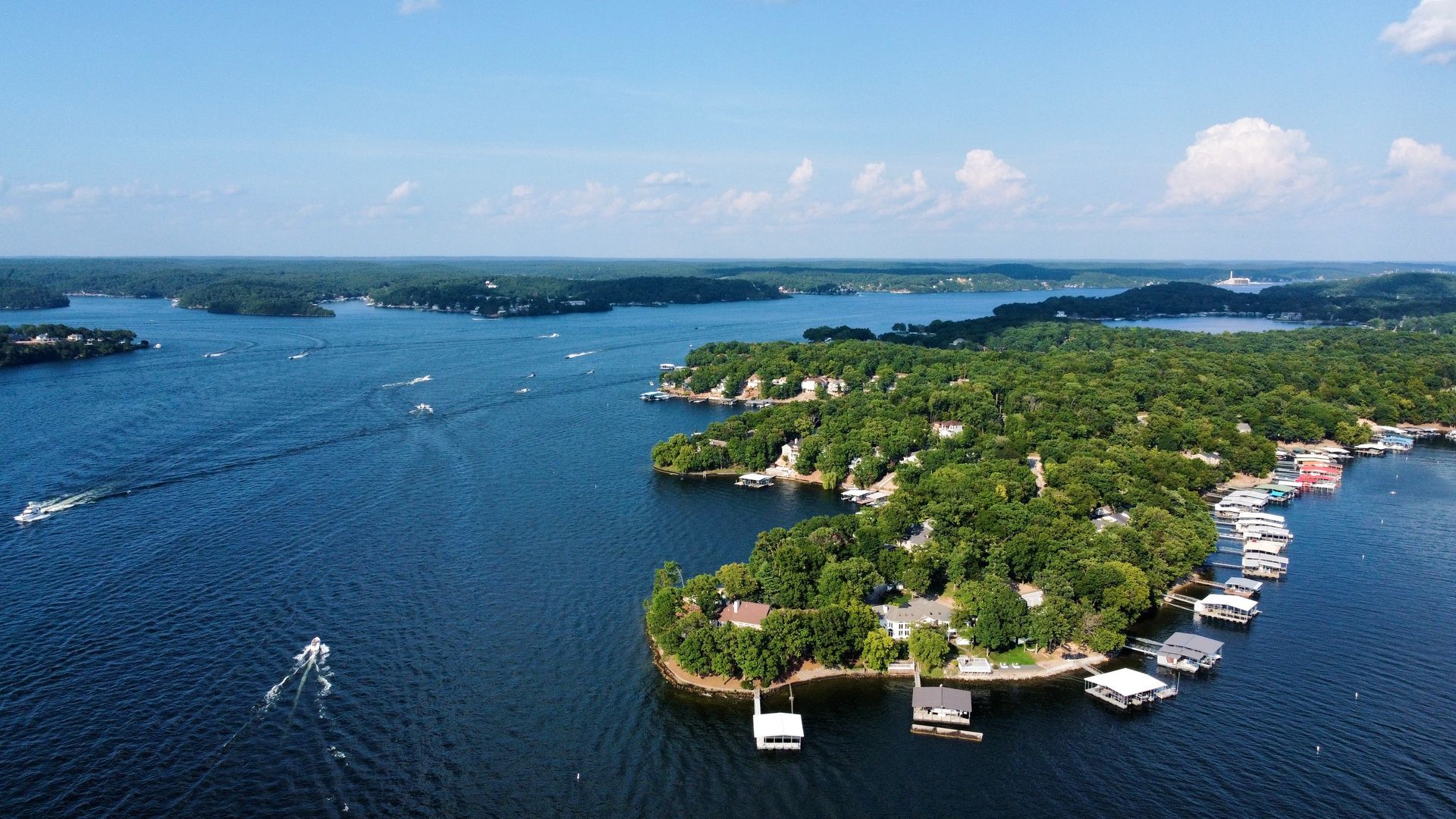
Lake of the Ozarks is one of Missouri’s busiest recreational boating destinations, with extensive shoreline, marinas, and significant vessel traffic. Congestion, speed, wake, and operator conduct can all become important factors in accident investigations.
After a boating accident at Lake of the Ozarks, knowing what to do next can be critical.
Read: What to Do After a Boating Accident at Lake of the Ozarks →
Missouri & Mississippi Rivers
The Missouri and Mississippi Rivers combine recreational boating with commercial vessel and barge traffic. Currents, navigation channels, commercial traffic, floating debris, and changing river conditions can all become significant factors in collision and accident reconstruction.
Marine Forensic Services in Missouri
WakeTrace provides marine forensic and litigation-support services for Missouri boating cases.
Boating Incident Investigation & Reconstruction
WakeTrace reconstructs boat collisions, PWC accidents, tow-sports incidents, propeller injuries, groundings, drownings, nighttime accidents, mechanical failures, and other serious marine incidents.
Litigation Support & Expert Witness Services
WakeTrace provides case analysis, expert reports, deposition preparation, courtroom preparation, expert testimony, and trial support for attorneys and other clients involved in marine litigation.
Digital, Mechanical & Technical Evidence
WakeTrace analyzes GPS and navigation data, vessel electronics, engine information, video, photographs, cell phone records, mechanical evidence, and other technical information relevant to a marine incident.
Manufacturer, Carrier & Industry Support
WakeTrace assists insurance carriers, boat manufacturers, and industry clients with claim investigations, liability analysis, vessel defects, mechanical failures, and product-related marine incidents.
Missouri Marine Forensics & Boat Accident Investigation
When the circumstances surrounding a boating accident are disputed, objective evidence can help establish what actually happened.
WakeTrace Marine Forensics provides marine accident investigation, boating accident reconstruction, forensic evidence analysis, and expert witness services throughout Missouri. Our team combines marine law-enforcement experience, forensic methodology, technical analysis, and accident reconstruction to help attorneys, insurance carriers, manufacturers, and other clients understand complex boating incidents.
24/7 Service Availability
Missouri • Nationwide