Lake of the Ozarks is one of the busiest recreational boating destinations in the United States. Every year, thousands of boaters visit the lake to enjoy fishing, watersports, and holiday weekends on the water. Unfortunately, with increased boat traffic comes an increased risk of boating accidents, personal injuries, and property damage.
Whether the accident involves another vessel, a personal watercraft, tubing, a dock, or a fixed object, knowing what to do immediately afterward can help protect your safety, preserve critical evidence, and support any future insurance claim or legal case.
At WakeTrace Marine Forensics, we work with attorneys, insurance companies, businesses, and private individuals across all 50 states to investigate marine accidents through professional marine forensic investigations, accident reconstruction, vessel inspections, and expert witness services.
1. Prioritize Everyone's Safety
The first priority after any boating accident is ensuring everyone is safe.
If possible:
- Check for injuries.
- Move passengers to a safe location.
- Wear life jackets if there's any risk of entering the water.
- Call 911 or local emergency responders if anyone is injured or missing.
If your vessel can be safely operated, move it out of the main boating channel to reduce the risk of additional collisions. Never leave the scene of a boating accident until you've exchanged information and complied with Missouri boating laws.
2. Report the Accident
Depending on the severity of the accident, Missouri law requires certain boating accidents to be reported to the Missouri State Highway Patrol's Water Patrol Division.
Accidents involving serious injury, death, or significant property damage should always be reported immediately.
Even if the damage appears minor, having an official report can become valuable documentation later if injuries worsen or liability is disputed.
3. Document the Scene Before Evidence Changes
One of the biggest mistakes boaters make is assuming they'll remember exactly what happened. Water conditions change quickly, vessels are moved, and physical evidence disappears.
If it is safe to do so, document:
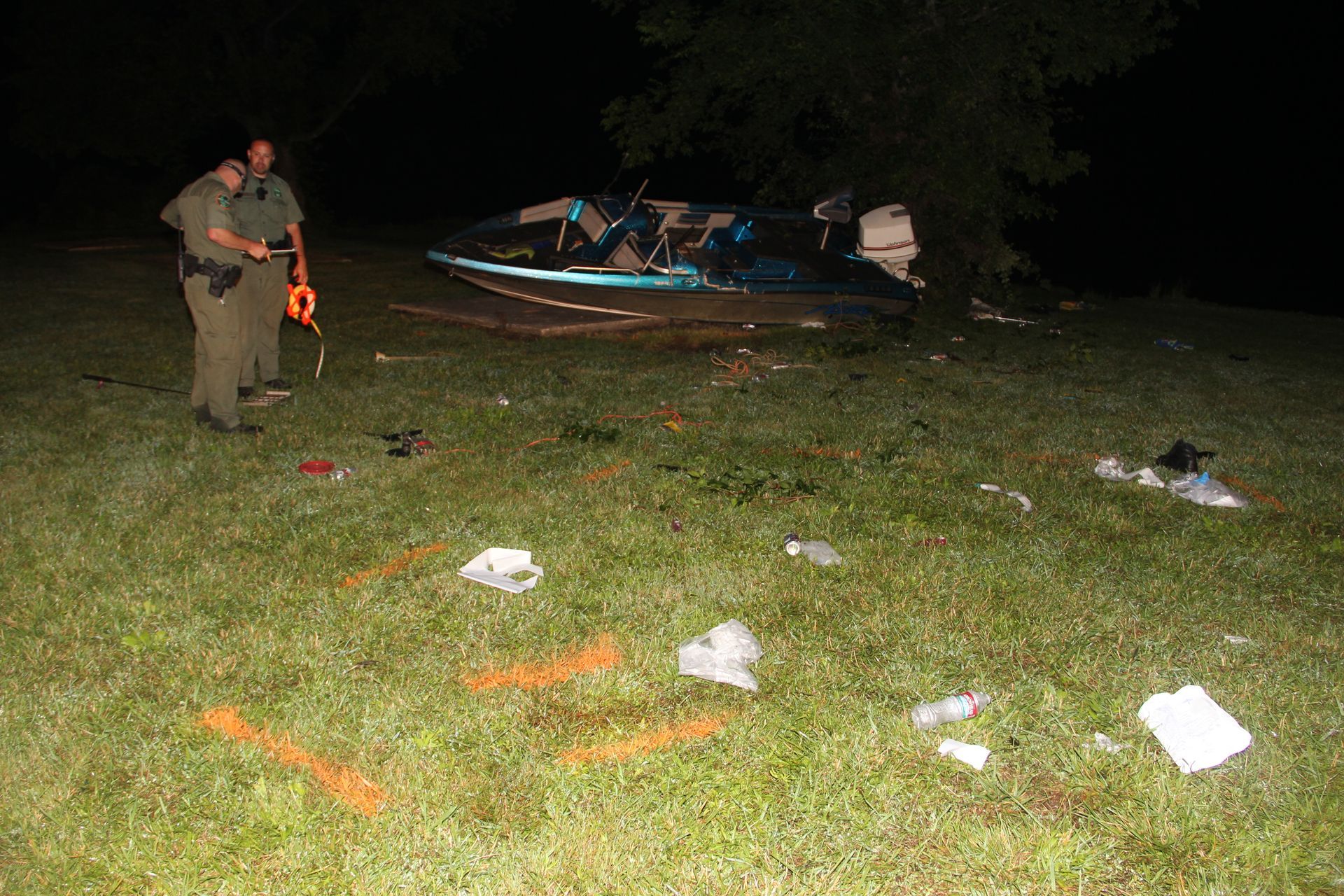
- Vessel positions
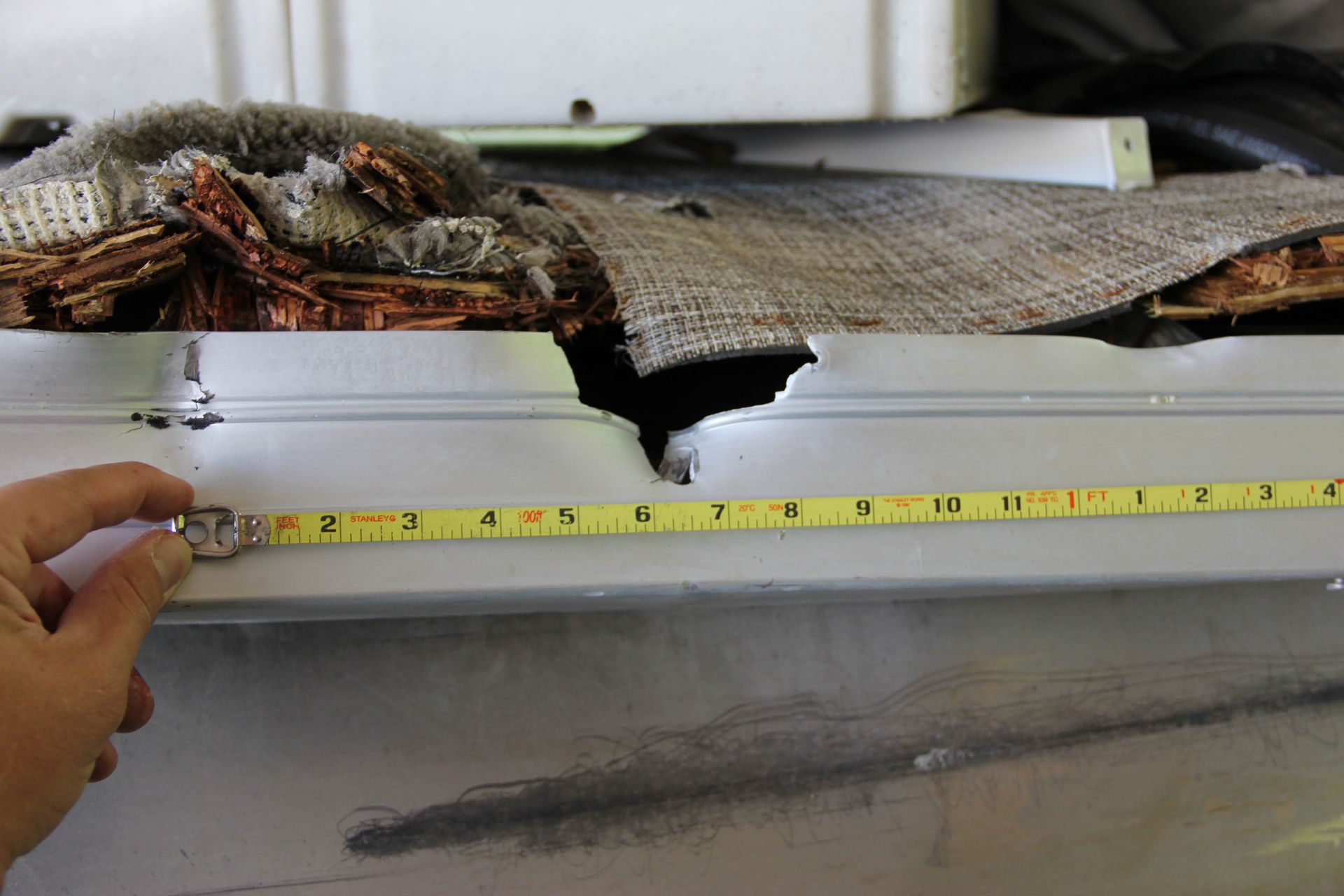
- Hull damage
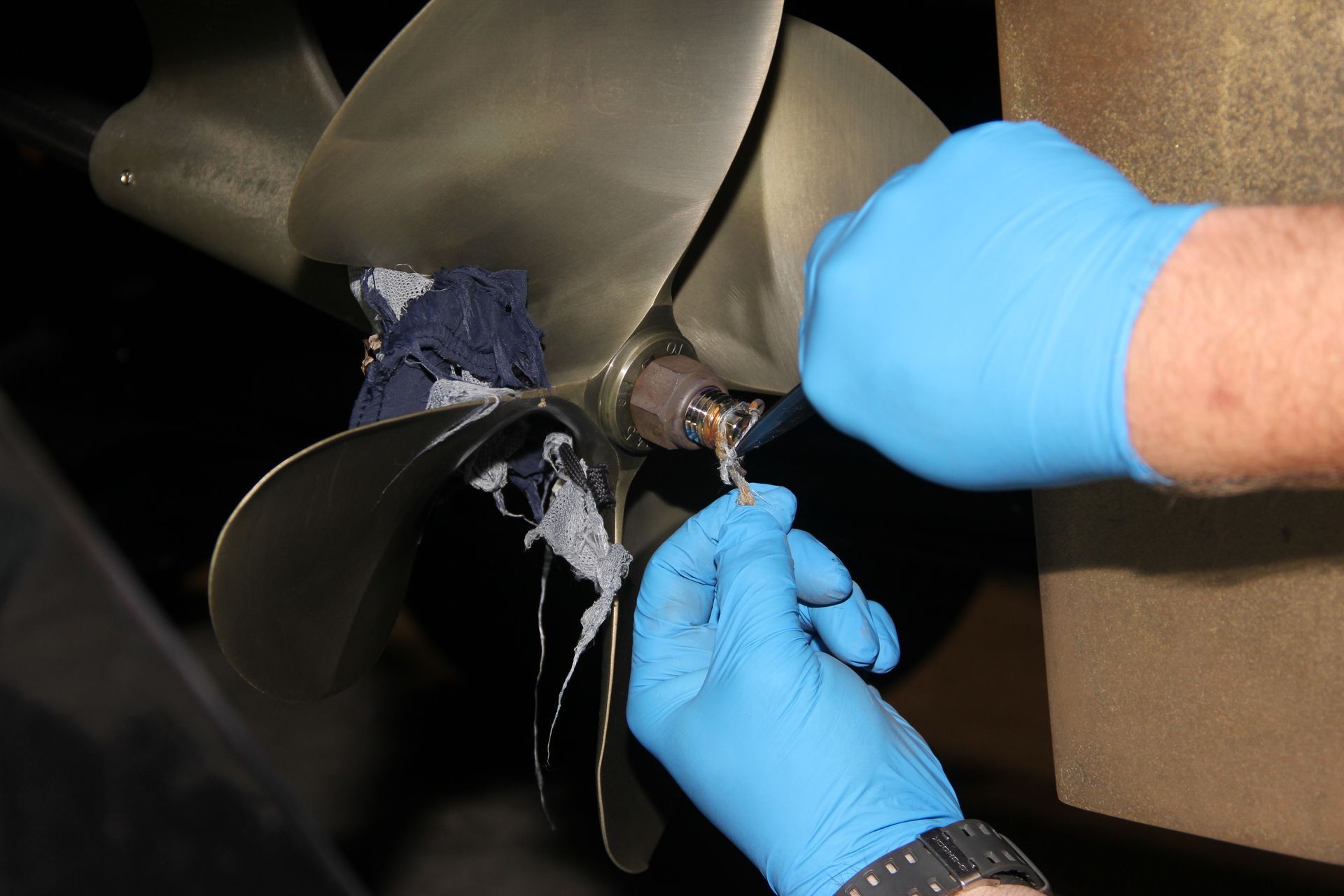
- Propeller damage
- Dock damage
- GPS displays
- Electronics
- Weather conditions
- Water conditions
- Navigation markers
- Skid or impact marks
- Safety equipment
- Visible injuries
Take photos from multiple angles and record video whenever possible. The more documentation collected immediately after the accident, the more accurate a future marine accident reconstruction can be.
4. Collect Information From Everyone Involved
Gather information from:
- Boat operators
- Boat owners
- Passengers
- Witnesses
- Responding law enforcement officers
Record:
- Names
- Phone numbers
- Registration numbers
- Insurance information
- Vessel make and model
Independent witness statements often become valuable pieces of evidence during an investigation.
5. Avoid Discussing Fault
Immediately after an accident, emotions are high. Avoid speculating about what happened or admitting fault before the facts are known.
Many boating accidents involve multiple contributing factors such as:
- Operator inattention
- Excessive speed
- Mechanical failure
- Navigation rule violations
- Poor visibility
- Equipment malfunction
- Alcohol impairment
- Wake-related incidents
A professional investigation determines what actually occurred based on physical evidence—not assumptions made at the scene.
Why Evidence Preservation Matters
One of the most important steps after a boating accident is preserving the vessel before repairs begin. Repairs, cleaning, salvaging, or moving equipment can unintentionally destroy evidence investigators rely on to determine what happened.
Evidence may include:
- Impact damage
- Electronic navigation data
- GPS history
- Engine information
- Propeller damage
- Steering components
- Hull deformation
- Safety equipment
- Digital photographs
- Cell phone data
At WakeTrace Marine Forensics, preserving and analyzing this evidence is a critical part of every marine forensic investigation.
How Marine Forensic Investigations Help Determine What Happened
Unlike a standard accident report, a marine forensic investigation goes much deeper.
Depending on the circumstances, investigators may analyze:
- Vessel damage
- Impact angles
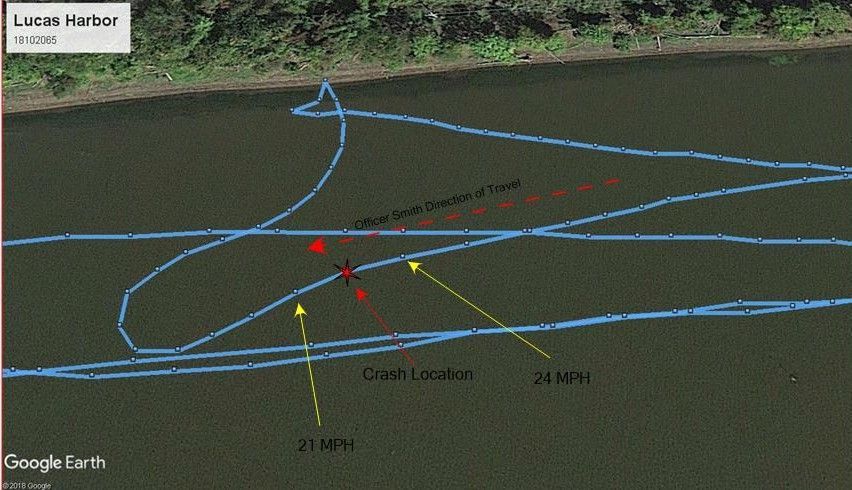
- GPS and chart plotter data
- Electronic navigation systems
- Engine performance
- Weather conditions
- Waterway conditions
- Vessel inspections
- Operator actions
- Witness statements
This information is used to reconstruct the accident and identify contributing factors using accepted investigative methods. These findings often help attorneys, insurance companies, and vessel owners better understand how an accident occurred.
Lake of the Ozarks Presents Unique Challenges
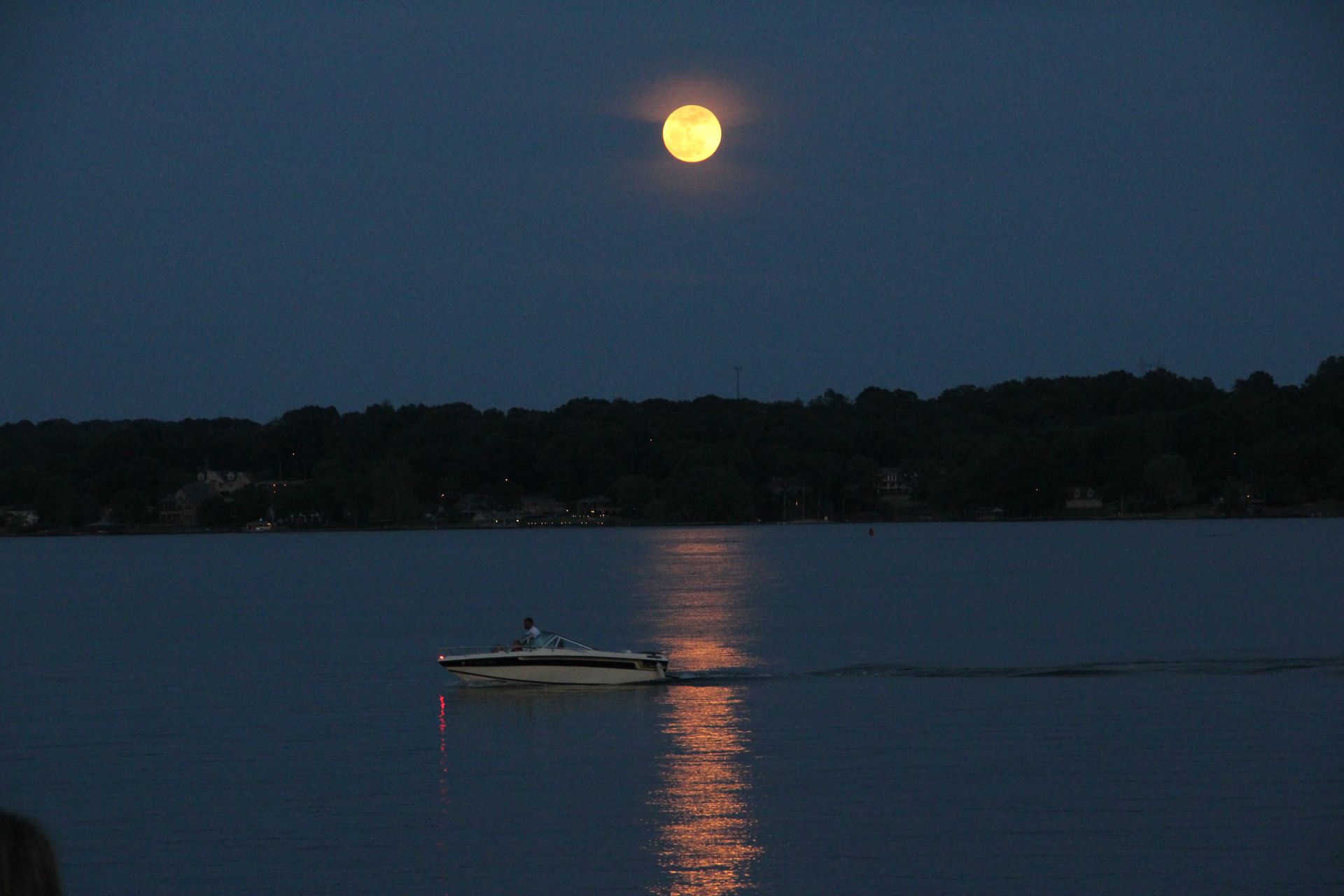
Lake of the Ozarks experiences heavy recreational boat traffic throughout the spring and summer, particularly during holiday weekends.
Investigations may involve:
- Large cruiser collisions
- Personal watercraft (Jet Ski) accidents
- Wake damage claims
- Dock strikes
- High-speed impacts
- Rental boat accidents
- Mechanical failures
- Propeller injury investigations
Because traffic patterns and boating conditions at Lake of the Ozarks differ from many inland waterways, having investigators familiar with marine accident reconstruction techniques is especially important.
When Should You Contact a Marine Forensic Expert?
Time matters. The sooner evidence can be preserved, the greater the opportunity to accurately reconstruct the accident.
Marine forensic experts are commonly retained by:
- Personal injury attorneys
- Insurance companies
- Boat owners
- Manufacturers
- Businesses
- Government agencies
- Individuals involved in serious boating accidents
Early involvement often provides investigators access to evidence that may otherwise be lost.
Why Choose WakeTrace Marine Forensics?
WakeTrace Marine Forensics provides professional
marine investigation services throughout Missouri and across all 50 states.
Our services include:
- Marine forensic investigations
- Marine accident reconstruction
- Vessel inspections
- Expert witness services
- GPS and electronic data analysis
- Evidence preservation
- Litigation support
Whether your case involves a recreational boating accident at Lake of the Ozarks or another waterway across the country, our team provides objective, evidence-based investigations designed to help determine what happened.
Contact WakeTrace Marine Forensics
If you've been involved in a boating accident at Lake of the Ozarks or
elsewhere in Missouri, don't wait until critical evidence is lost.
WakeTrace Marine Forensics works with attorneys, insurance companies, businesses, and individuals nationwide to investigate boating accidents, preserve evidence, and provide professional marine forensic expertise.
Contact WakeTrace Marine Forensics today to learn how our marine forensic investigations, accident reconstruction services, and expert witness support can assist with your case.