Florida is known as the boating capital of the United States. With thousands of miles of coastline, countless lakes, rivers, and inland waterways, millions of residents and visitors enjoy recreational boating every year. Unfortunately, Florida also consistently reports some of the highest numbers of boating accidents in the country.
Whether you're operating a fishing boat, center console, personal watercraft (Jet Ski), pontoon, or yacht, understanding Florida boating accident laws can help protect your rights, preserve valuable evidence, and support any future insurance claim or legal case.
WakeTrace provides marine forensic investigation and boating accident reconstruction throughout Florida, serving major boating regions and waterways from the Gulf Coast and Tampa Bay to South Florida, the Florida Keys, and inland waterways such as Lake Okeechobee. Learn more about WakeTrace's Florida boating accident investigation services.
At
WakeTrace Marine Forensics, we work with attorneys, insurance companies, businesses, and private individuals across all 50 states to investigate boating accidents through marine forensic investigations, accident reconstruction, vessel inspections, GPS and electronic data analysis, and expert witness services.
Florida Leads the Nation in Registered Boats
Florida has more registered recreational vessels than any other state, making its waterways some of the busiest in the country.
Popular boating destinations include:
- Tampa Bay
- Clearwater
- Sarasota
- Fort Myers
- Naples
- Miami
- Fort Lauderdale
- Jacksonville
- Pensacola
- Destin
- The Florida Keys
- Intracoastal Waterway
- Lake Okeechobee
Heavy boat traffic, changing weather conditions, and a mix of recreational and commercial vessels make boating safety—and proper accident investigations—especially important throughout the state.
1. Stop and Assist After a Boating Accident
If you're involved in a boating accident in Florida, you're generally required to stop your vessel and provide reasonable assistance to anyone injured, as long as doing so does not place you or your passengers in danger.
Leaving the scene of a serious boating accident can result in significant legal consequences.
If possible:
- Check for injuries.
- Make sure everyone is wearing a life jacket if necessary.
- Call emergency responders if anyone is seriously injured or missing.
- Prevent additional collisions if the vessel can be safely moved.
2. Report the Accident When Required
Not every boating accident requires the same level of reporting, but accidents involving serious injuries, fatalities, disappearances, or significant property damage typically must be reported to the appropriate authorities.
An official accident report often becomes an important piece of evidence for:
- Insurance claims
- Personal injury cases
- Wrongful death claims
- Marine accident investigations
Even if damage initially appears minor, reporting the accident can help document important facts while they're still fresh.
3. Preserve Evidence Before Repairs Begin
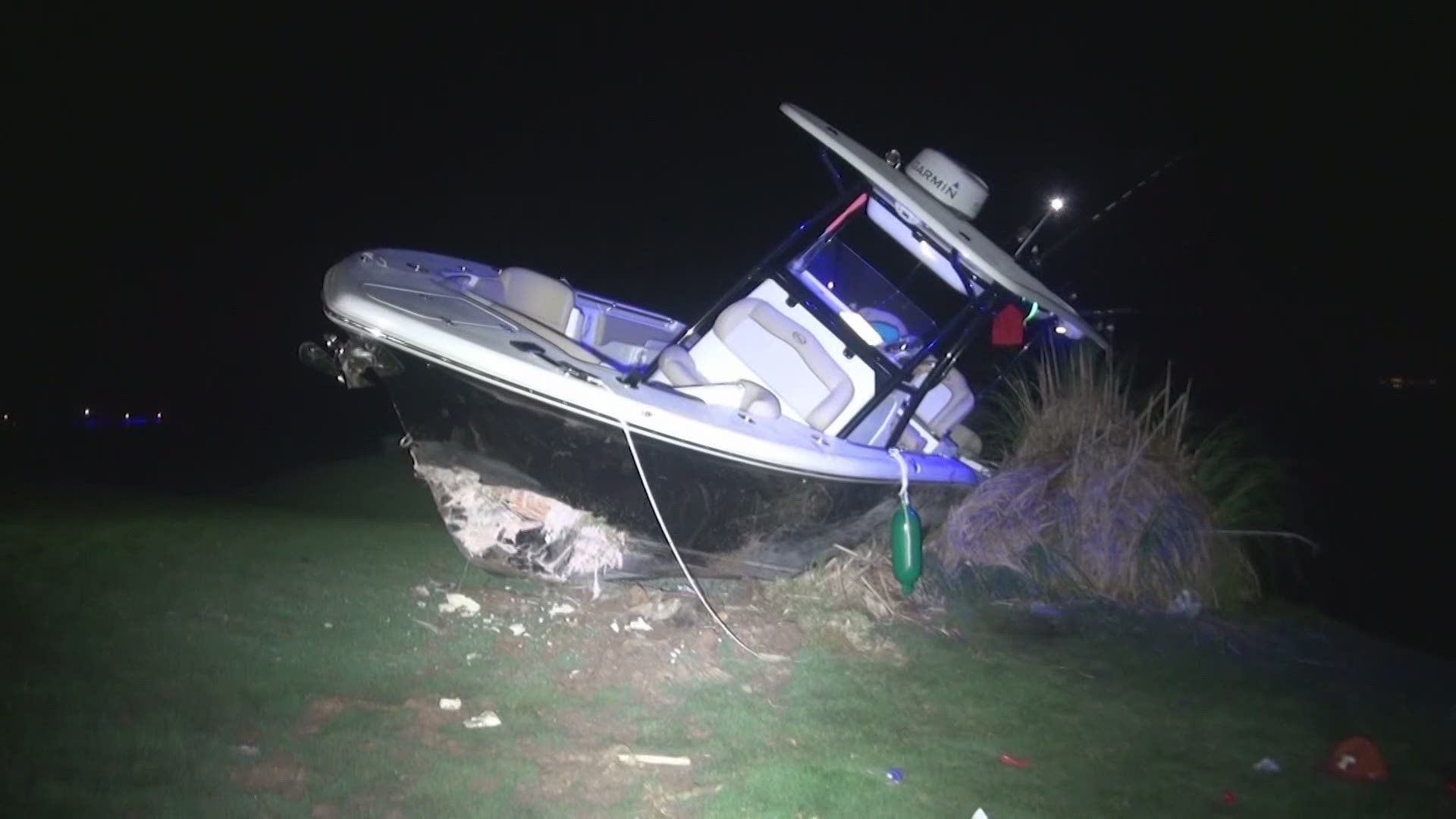
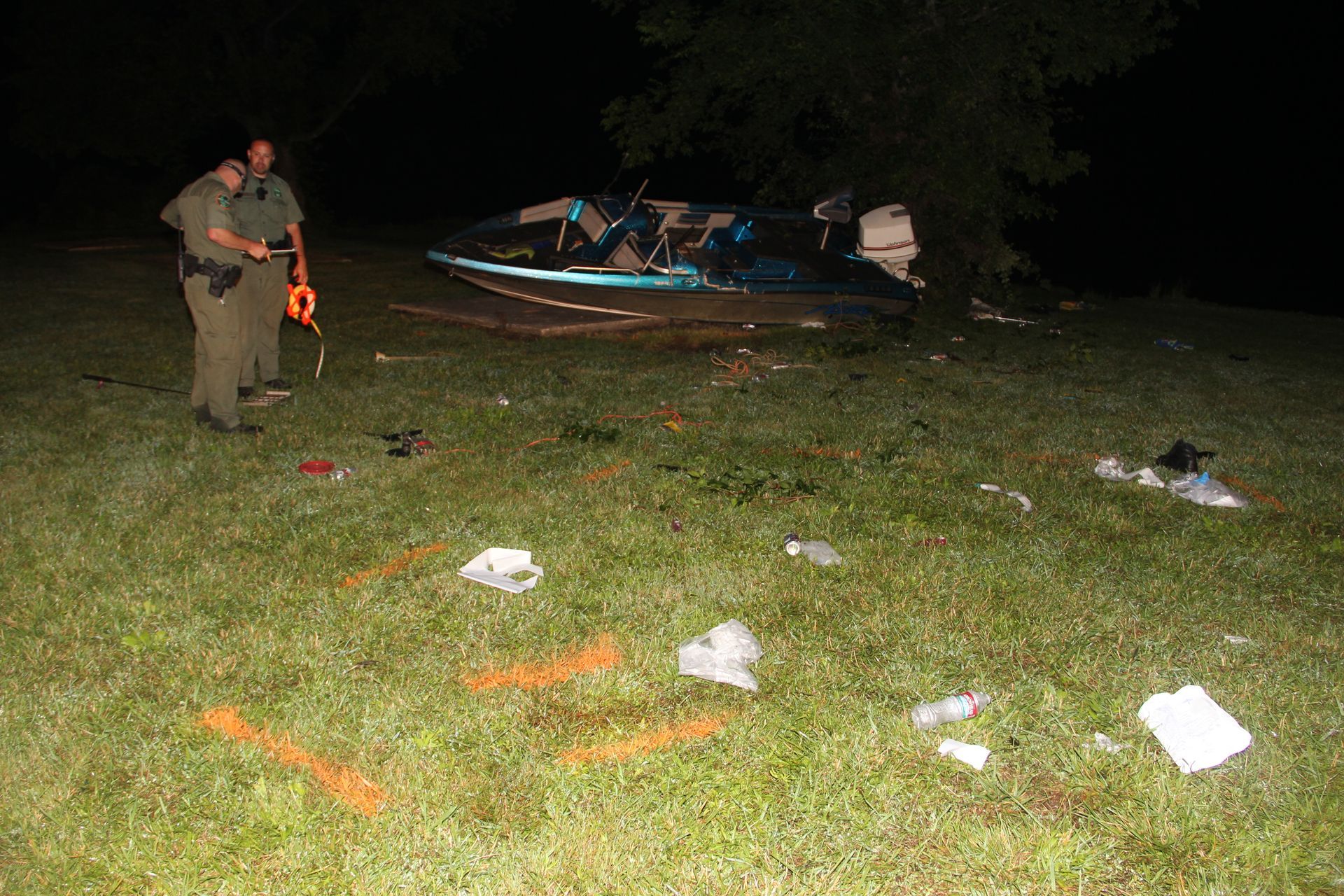
One of the biggest mistakes after a boating accident is repairing or cleaning the vessel before it has been properly documented. Physical evidence can disappear quickly.
Important evidence may include:
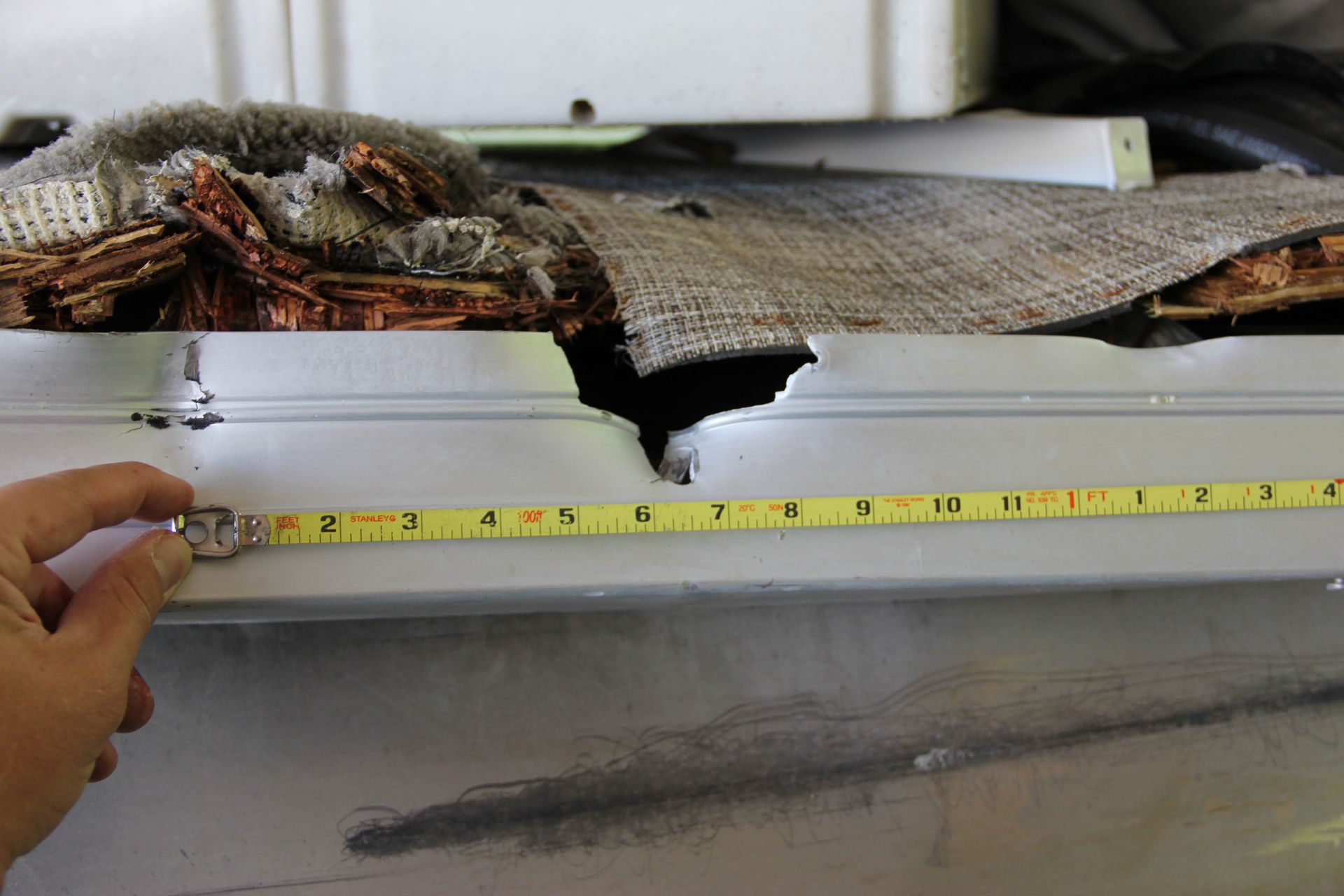
- Hull damage
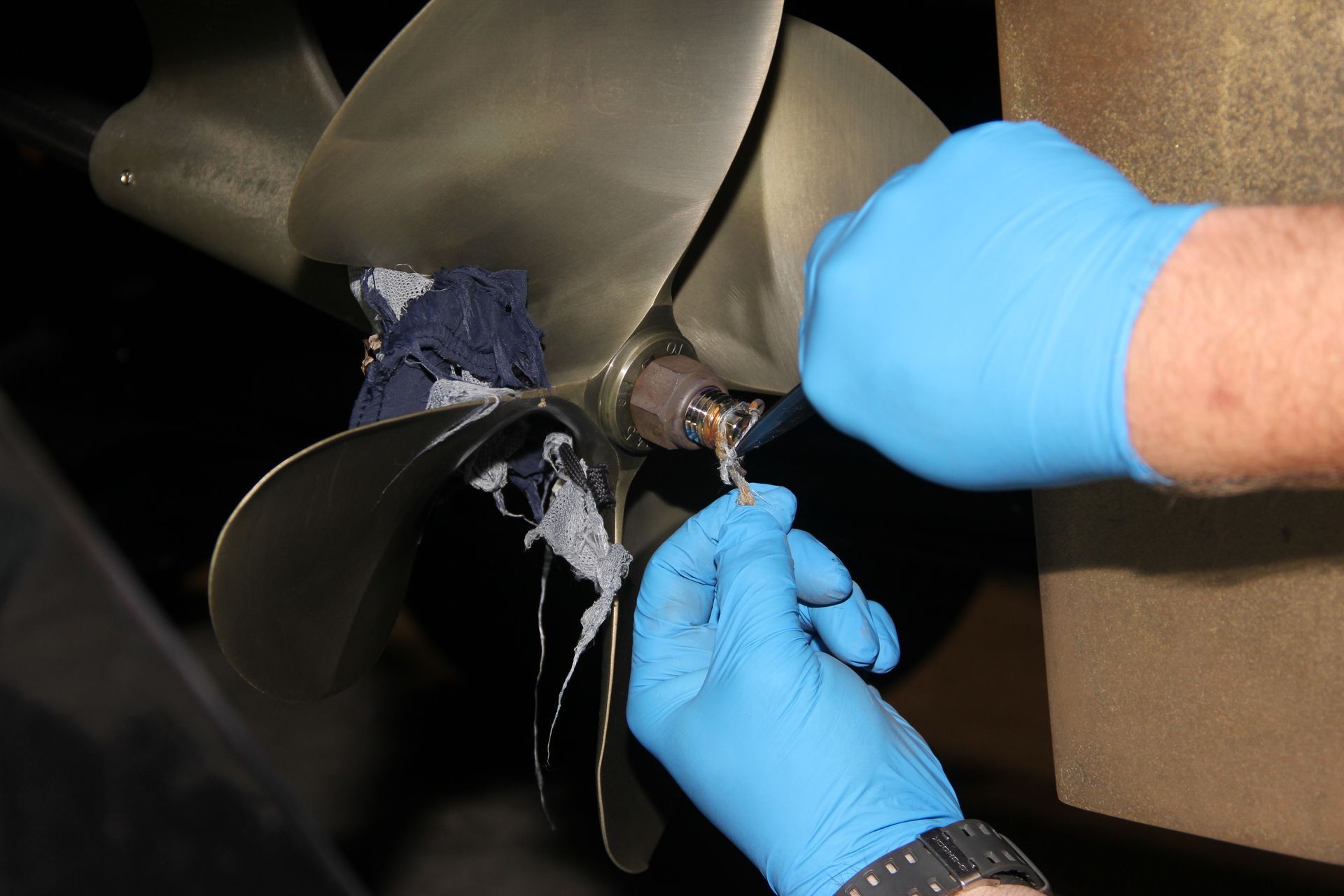
- Propeller damage
- Steering components
- Engine systems
- Electronics
- GPS data
- Navigation displays
- Safety equipment
- Dock damage
- Personal watercraft damage
Once repairs begin, investigators may lose valuable information needed to determine exactly how the accident occurred.
At WakeTrace Marine Forensics, evidence preservation is one of the most important parts of a successful marine forensic investigation.
4. Document Everything at the Scene
If it is safe to do so, collect as much information as possible before leaving the accident scene.
Helpful documentation includes:
- Photos of every vessel involved
- Damage from multiple angles
- Water and weather conditions
- Navigation markers
- GPS screens
- Electronic displays
- Passenger injuries
- Witness contact information
- Boat registration numbers
- Insurance information
These details often become critical during marine accident reconstruction.
5. Avoid Admitting Fault
After an accident, it's natural to want to explain what happened. However, avoid making statements that assign blame before the investigation is complete.
Many boating accidents involve multiple contributing factors, including:
- Operator inattention
- Excessive speed
- Failure to maintain a proper lookout
- Mechanical failure
- Poor visibility
- Weather conditions
- Navigation rule violations
- Alcohol impairment
A professional marine forensic investigation examines the available evidence to determine what actually happened rather than relying on assumptions made immediately after the incident.
Why Marine Forensic Investigations Matter
A standard boating accident report often provides only a basic summary of the incident. A marine forensic investigation goes much further by analyzing evidence to reconstruct how the accident occurred.
Depending on the circumstances, investigators may evaluate:
- Vessel damage
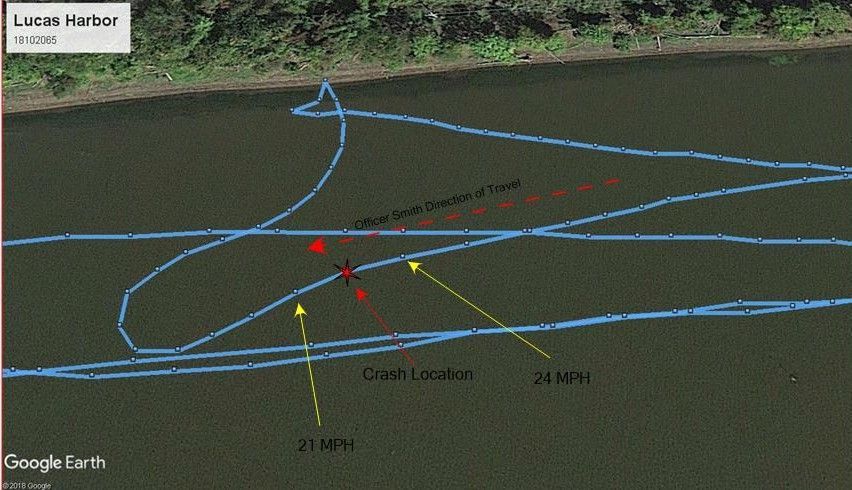
- GPS and electronic navigation data
- Chart plotter information
- Engine performance
- Impact angles
- Vessel inspections
- Weather conditions
- Water conditions
- Operator actions
- Witness statements
This evidence helps attorneys, insurance companies, businesses, and vessel owners better understand the sequence of events and identify contributing factors.
Common Boating Accidents in Florida
Because of Florida's busy waterways, investigators frequently encounter accidents involving:
- Vessel-to-vessel collisions
- Personal watercraft (Jet Ski) accidents
- Propeller injuries
- Dock and marina collisions
- Wake damage claims
- Groundings
- Boat fires
- Mechanical failures
- Rental boat accidents
- Commercial vessel incidents
Each type of accident presents unique challenges that require specialized marine investigative experience.
When Should You Contact a Marine Forensic Expert?
The earlier a marine forensic expert becomes involved, the greater the opportunity to preserve evidence before it changes or disappears.
Marine forensic experts are commonly retained by:
- Personal injury attorneys
- Insurance companies
- Boat owners
- Manufacturers
- Businesses
- Government agencies
- Individuals involved in serious boating accidents
Early involvement often leads to a more complete understanding of how an accident occurred.
Why Choose WakeTrace Marine Forensics?
WakeTrace Marine Forensics provides professional marine investigation services throughout Florida and across all 50 states.
Our services include:
- Marine forensic investigations
- Marine accident reconstruction
- Vessel inspections
- Expert witness services
- GPS and electronic data analysis
- Evidence preservation
- Litigation support
Whether your case involves a boating accident on the Gulf Coast, the Atlantic Coast, Lake Okeechobee, the Intracoastal Waterway, or anywhere else in Florida, our team delivers objective, evidence-based investigations designed to help determine what happened.
Contact WakeTrace Marine Forensics
If you've been involved in a boating accident in Florida, don't wait until valuable evidence is lost.
WakeTrace Marine Forensics partners with attorneys, insurance companies, businesses, manufacturers, and individuals nationwide to investigate boating accidents, preserve evidence, and provide professional marine forensic expertise.
Contact WakeTrace Marine Forensics today to learn how our marine forensic investigations, accident reconstruction services, GPS and electronic data analysis, and expert witness support can help with your case.