When a boating accident occurs, determining exactly what happened often requires more than a standard accident report. That's where
marine forensics comes in.
Marine forensics is the scientific investigation of boating accidents, vessel failures, and other marine-related incidents. By examining physical evidence, electronic data, vessel damage, and environmental conditions, marine forensic investigators work to reconstruct the events leading up to an accident and provide objective findings.
Whether the investigation supports a legal case, an insurance claim, or simply helps identify the cause of an incident, marine forensics plays an important role in uncovering the facts.
At
WakeTrace Marine Forensics, we work with attorneys, insurance companies, businesses, manufacturers, and private individuals across all 50 states to conduct
boating incident investigations and reconstructions, vessel inspections,
claims evaluations,
GPS and electronic data analysis, and
expert witness litigation support.
See Industries We Serve →
What Does Marine Forensics Mean?
Marine forensics is the process of applying investigative techniques and engineering principles to determine how and why a marine incident occurred.
Unlike a routine inspection, a marine forensic investigation focuses on gathering and preserving evidence, analyzing the available data, and reconstructing the sequence of events using accepted investigative methods.
Marine forensic investigations may involve:
- Recreational boating accidents
- Commercial vessel incidents
- Personal watercraft (Jet Ski) accidents
- Vessel collisions
- Boat fires
- Mechanical failures
- Propeller injuries
- Dock and marina accidents
- Wake damage claims
- Sinking or flooding incidents
Every investigation is unique, but the goal is always the same: determine the facts through objective analysis.
What Does a Marine Forensic Investigator Do?
A marine forensic investigator examines the available evidence to understand what happened before, during, and after a marine incident.
Depending on the circumstances, an investigation may include:
- Inspecting vessel damage
- Examining steering and propulsion systems
- Reviewing engine components
- Evaluating navigation equipment
- Downloading and analyzing GPS or electronic navigation data
- Reviewing weather and water conditions
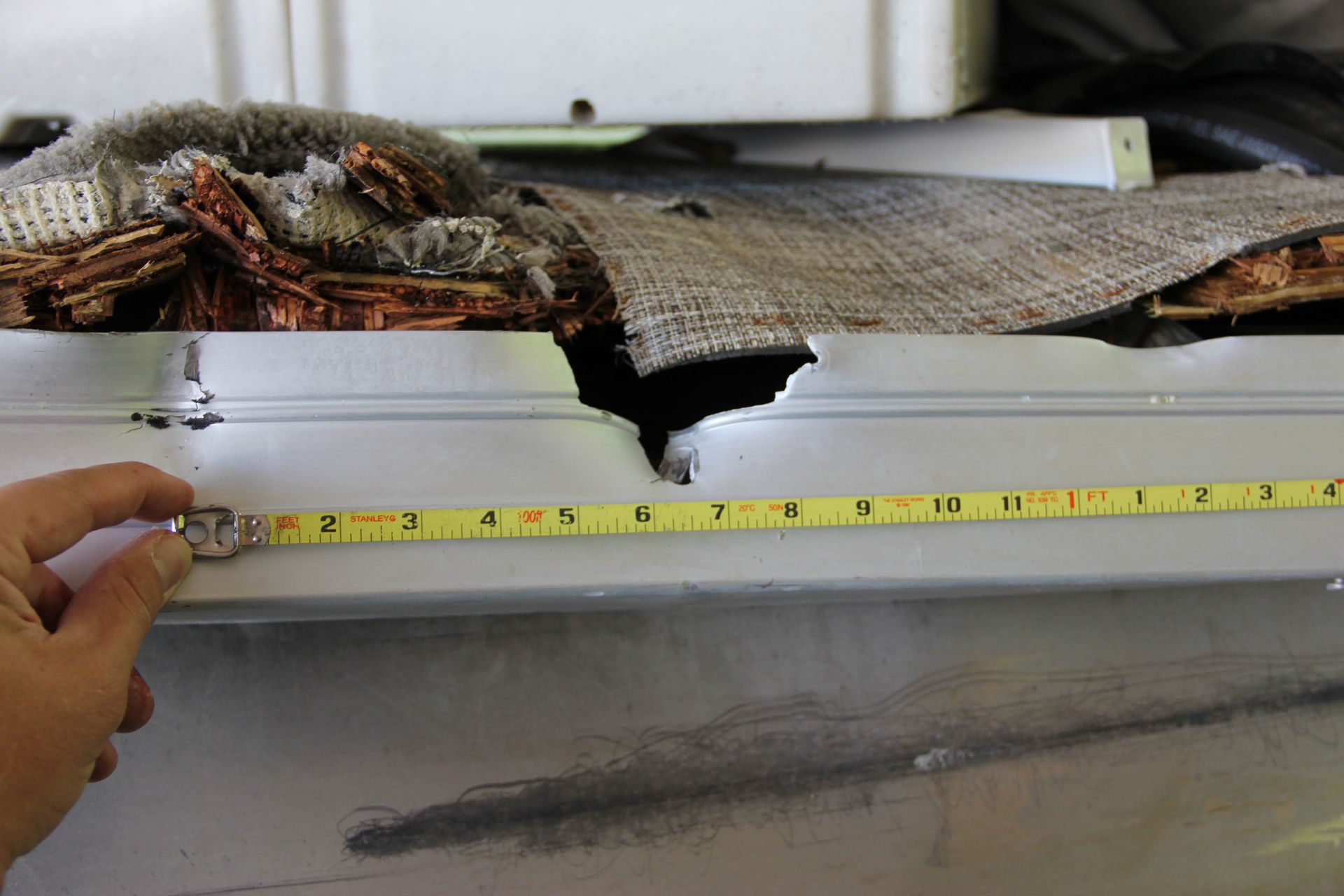
- Documenting impact damage
- Photographing evidence
- Interviewing witnesses
- Reviewing maintenance records
- Reconstructing the accident sequence
These findings help attorneys, insurance companies, businesses, manufacturers, and vessel owners better understand how an accident occurred.
Why Is Marine Forensics Important?
Many boating accidents involve conflicting accounts of what happened.
Witnesses may remember events differently, environmental conditions can change rapidly, and damaged vessels are often repaired before anyone has an opportunity to properly inspect them. Marine forensics helps preserve objective evidence before it disappears.
A professional investigation can often answer important questions such as:
- What caused the accident?
- Was mechanical failure involved?
- Did operator actions contribute?
- Were navigation rules followed?
- Could the accident have been prevented?
- What evidence supports the sequence of events?
Rather than relying solely on opinions, marine forensic investigations focus on physical evidence and documented facts.
How Marine Accident Reconstruction Works
One of the most valuable components of marine forensics is marine accident reconstruction. Accident reconstruction combines physical evidence, engineering principles, electronic data, and investigative findings to recreate how an accident likely occurred.
Investigators may analyze:
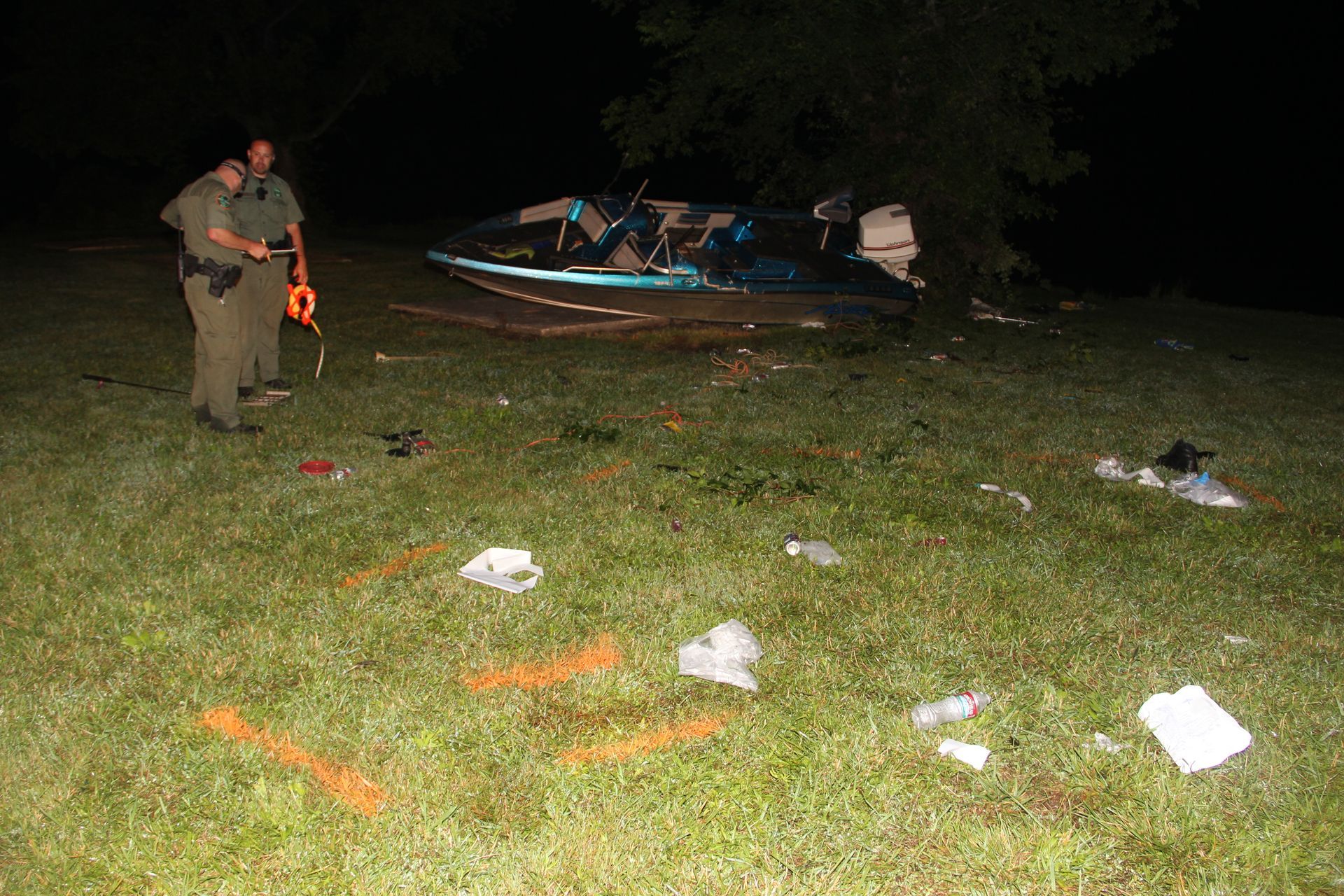
- Impact locations
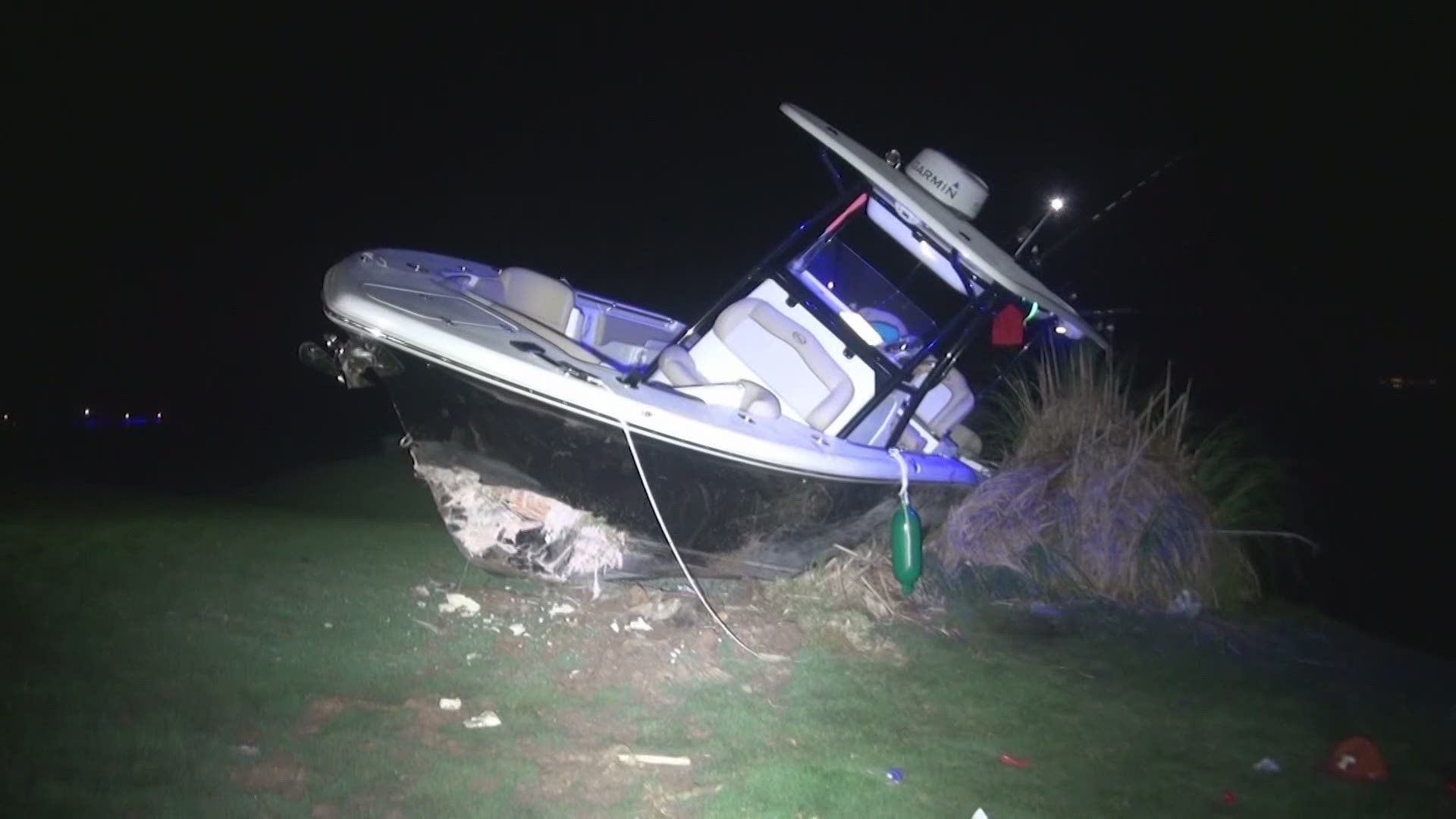
- Vessel damage patterns
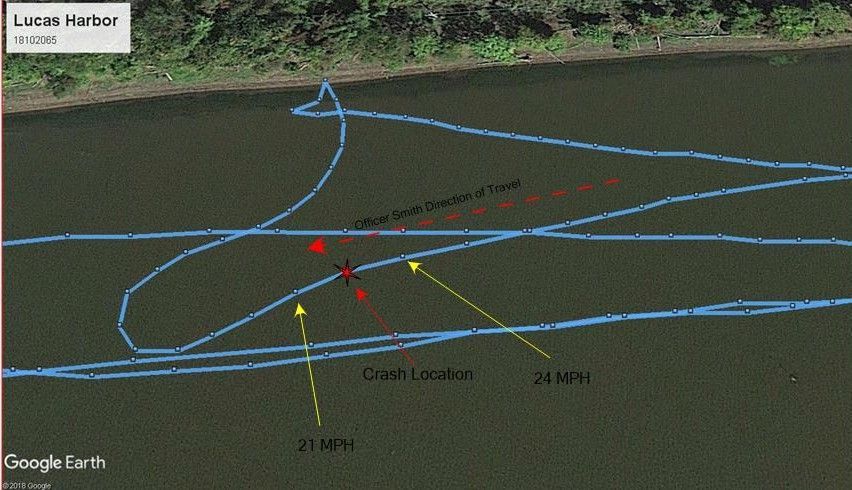
- GPS tracking data
- Chart plotter information
- Engine performance
- Steering systems
- Propeller damage
- Hull deformation
- Environmental conditions
- Witness statements
By examining these factors together, investigators can develop a detailed understanding of the events leading up to the accident.
The Importance of GPS and Electronic Data
Today's recreational and commercial vessels often generate valuable electronic information.
Marine forensic investigators may analyze data from:
- GPS systems
- Chart plotters
- Navigation electronics
- Engine monitoring systems
- Digital displays
- Mobile devices
- Electronic communication records
Electronic evidence can help establish vessel location, speed, heading, route history, and operational data that may not be available through witness testimony alone.
This information often becomes an important part of marine accident reconstruction.
Why Evidence Preservation Matters
One of the biggest mistakes after a boating accident is altering or repairing the vessel too quickly. Once evidence is removed, investigators may lose critical information needed to determine what happened.
Important evidence may include:
- Hull damage
- Propeller damage
- Steering components
- Mechanical systems
- Navigation electronics
- GPS history
- Safety equipment
- Photographs
- Video recordings
- Maintenance records
Preserving evidence early gives investigators the best opportunity to conduct a thorough and accurate analysis.
Who Uses Marine Forensic Investigations?
Marine forensic investigations serve many different industries and individuals.
WakeTrace Marine Forensics commonly works with:
- Personal injury attorneys
- Maritime attorneys
- Insurance companies
- Boat owners
- Manufacturers
- Marine businesses
- Government agencies
- Private investigators
- Individuals involved in serious boating accidents
Whether supporting litigation, insurance claims, or independent investigations, objective forensic analysis provides valuable insight into marine incidents.
Common Situations That Require Marine Forensics
Marine forensic investigations are often requested after:
- Boat-to-boat collisions
- Personal watercraft (Jet Ski) accidents
- Propeller strike injuries
- Boat fires
- Mechanical failures
- Vessel sinkings
- Dock impacts
- Wake damage disputes
- Commercial vessel incidents
- Wrongful death investigations
These incidents frequently require specialized knowledge and technical analysis beyond a standard accident report.
Why Choose WakeTrace Marine Forensics?
WakeTrace Marine Forensics provides professional
marine investigation services throughout all 50 states.
Our services include:
- Marine forensic investigations
- Marine accident reconstruction
- Vessel inspections
- Expert witness services
- GPS and electronic data analysis
- Evidence preservation
- Litigation support
Our team works with attorneys, insurance companies, businesses, manufacturers, and individuals to deliver objective, evidence-based investigations that help determine what happened and support informed decision-making.
Contact WakeTrace Marine Forensics
Whether you're dealing with a recreational boating accident, a commercial marine incident, or an insurance investigation, preserving evidence and understanding the facts are critical.
WakeTrace Marine Forensics provides professional marine forensic investigations, accident reconstruction, vessel inspections, GPS and electronic data analysis, and expert witness services for clients across the United States.
Contact WakeTrace Marine Forensics today to learn how our team can assist with your investigation or marine accident case.