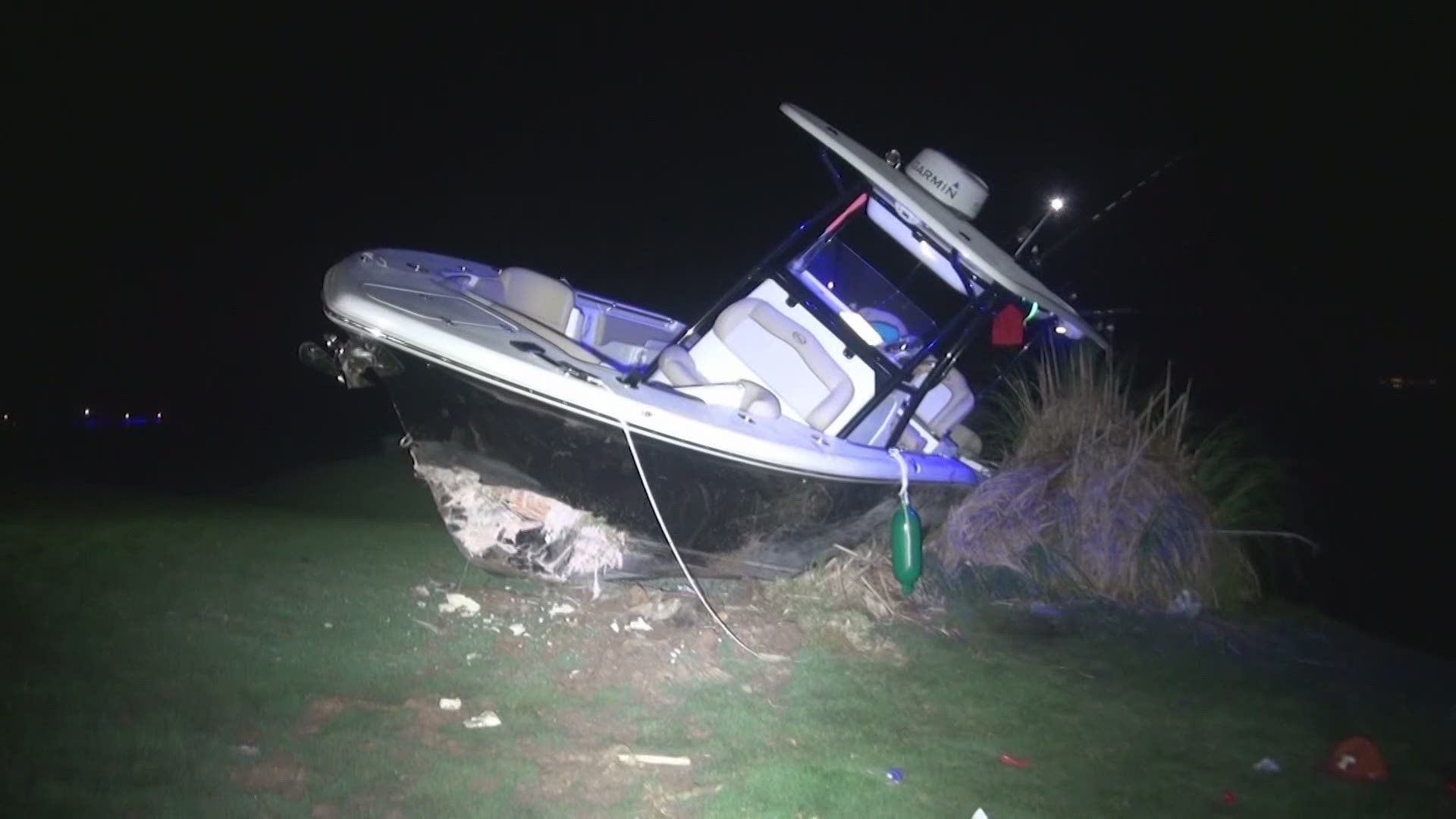
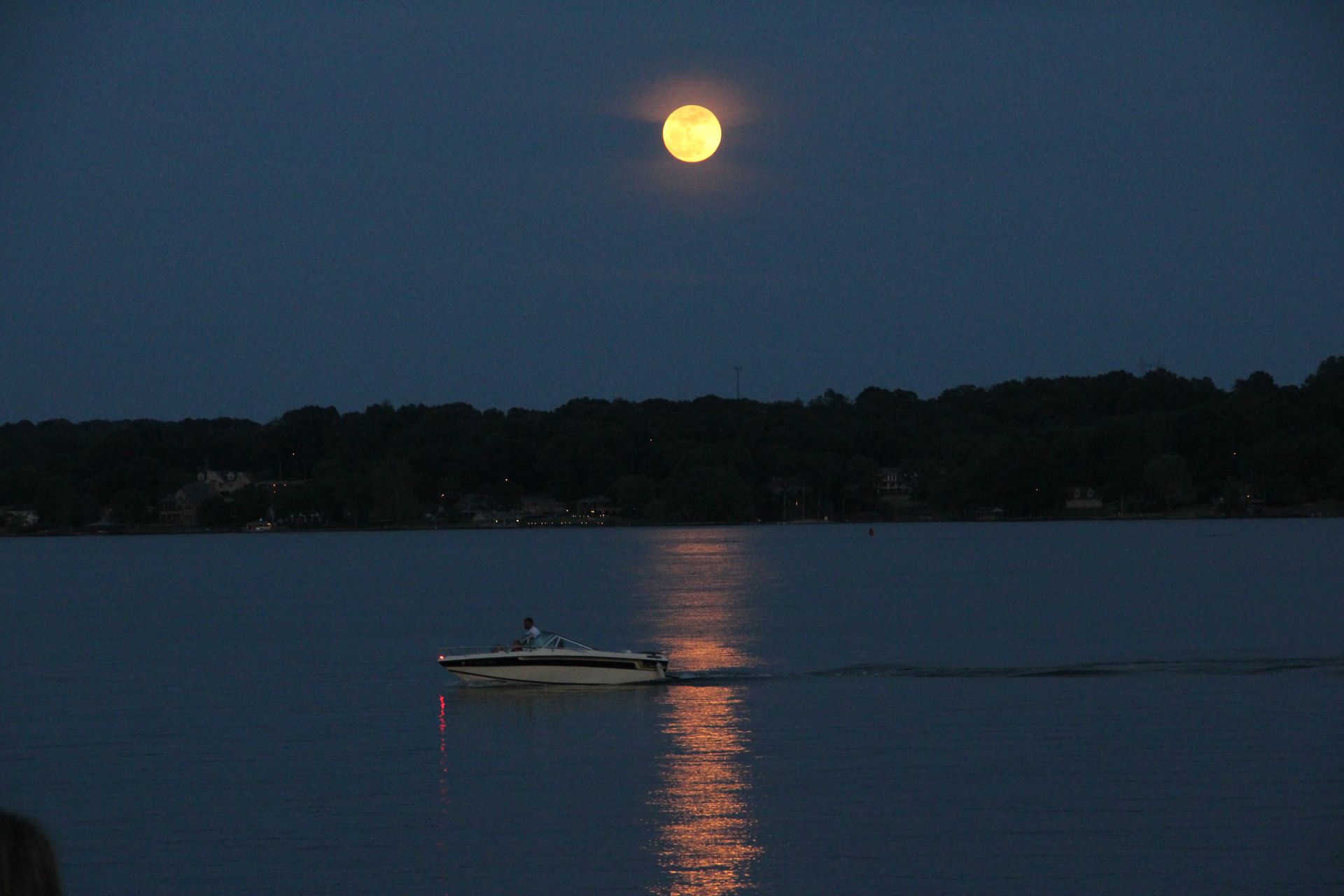
Modern boats are equipped with more technology than ever before. GPS units, chart plotters, multifunction displays, engine monitoring systems, radar, and other onboard electronics can record information that may help explain what happened before, during, and after a boating accident.
When properly preserved and analyzed, this electronic evidence can help establish a vessel's location, course, speed, heading, and movements. Combined with physical evidence, vessel inspections, witness information, and other investigative findings, it can become an important part of a marine accident reconstruction.
At WakeTrace Marine Forensics, we use
electronic and technical evidence as part of comprehensive
marine forensic investigations and accident reconstruction for attorneys, insurance companies, manufacturers, businesses, and individuals nationwide.
Why GPS Data Matters in a Boating Accident Investigation
After a boating accident, witness statements and accident reports are important—but they don't always tell the complete story.
People may remember events differently, environmental conditions can change quickly, and physical evidence may be altered or lost. Electronic navigation systems can provide another source of evidence that may help investigators determine what a vessel was doing before an incident.
Depending on the vessel and equipment installed, investigators may analyze data related to:
- Vessel location
- Course traveled
- Speed
- Heading
- Route history
- Time and date information
- Navigation activity
- Waypoints and tracks
When compared with physical damage, vessel inspections, photographs, witness accounts, and other evidence, this information can help establish a more complete sequence of events.
What Types of Electronic Data Can Be Analyzed?
Today's recreational and commercial vessels may contain multiple electronic systems capable of storing operational or navigational information.
Depending on the vessel and circumstances, marine investigators may evaluate data from:
- GPS units
- Chart plotters
- Multifunction displays (MFDs)
- Fish finders with GPS capability
- Engine monitoring systems
- Digital navigation equipment
- Radar systems
- Autopilot systems
- Mobile devices
- Electronic communications
- Digital photographs and video
The type and amount of recoverable information varies from case to case. Equipment, system settings, damage, storage methods, and whether the vessel continued to operate after the incident can all affect what evidence remains available.
How GPS Supports Marine Accident Reconstruction
Marine accident reconstruction involves analyzing available evidence to determine how an accident likely occurred.
GPS and electronic data often help investigators answer important questions, such as:
- Where were the vessels before the collision?
- What direction were they traveling?
- How fast were they moving?
- Were they following established navigation channels?
- Did either vessel change course before impact?
- How does the electronic data compare with physical damage?
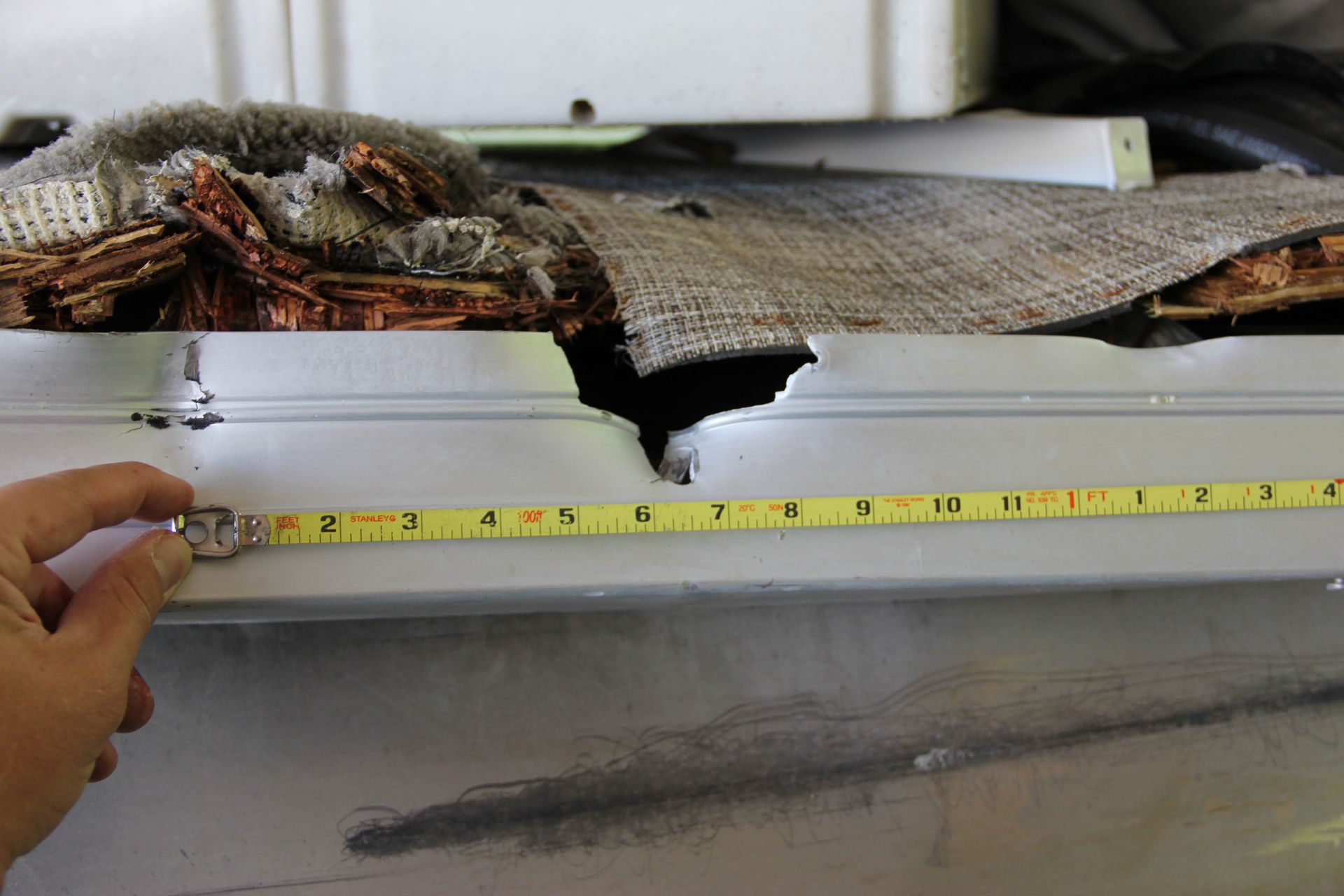
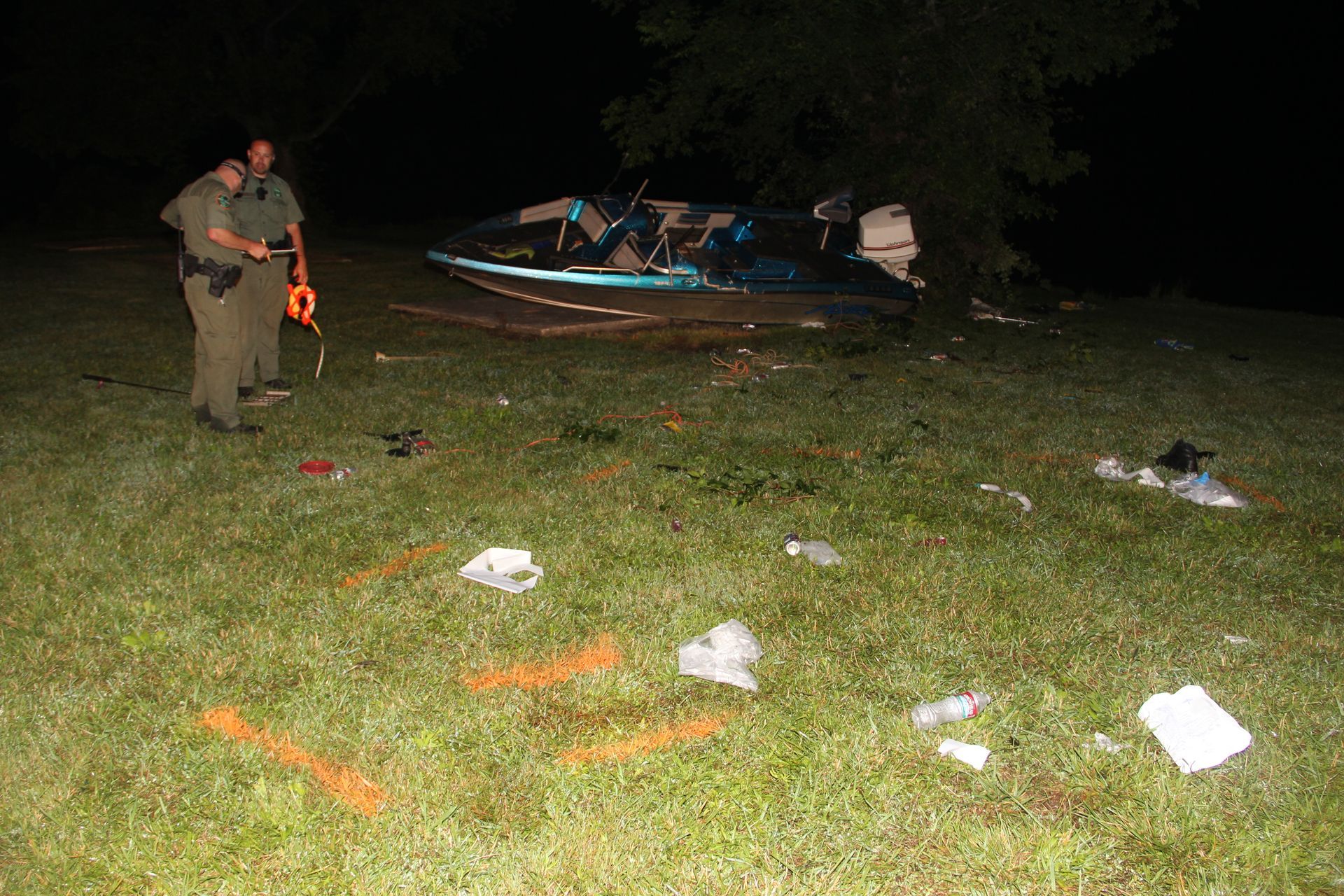
For example, GPS information may help establish a vessel's movement leading up to a collision. Investigators can then compare that information with hull damage, impact locations, photographs, witness statements, and other evidence to evaluate whether the available evidence is consistent with the reported sequence of events.
Electronic data is only one part of a reconstruction. Its value comes from how it is evaluated alongside the rest of the available evidence.
Electronic Data Is Most Valuable When Preserved Early
One of the most important considerations after a boating accident is preserving electronic evidence before it is altered or lost.
Navigation systems may be powered down, damaged, repaired, replaced, reset, or overwritten. Continued use of a device can also affect what information remains available.
Early evidence preservation may involve:
- Documenting onboard electronics
- Photographing displays
- Securing GPS equipment
- Recording system settings
- Identifying available digital evidence
- Coordinating vessel inspections
Early involvement can give investigators a better opportunity to identify and preserve evidence before repairs, continued operation, or other changes affect the vessel or its electronics.
GPS Data Alone Doesn't Tell the Whole Story
GPS information can be valuable, but it should not be evaluated in isolation.
A marine forensic investigation may also consider:
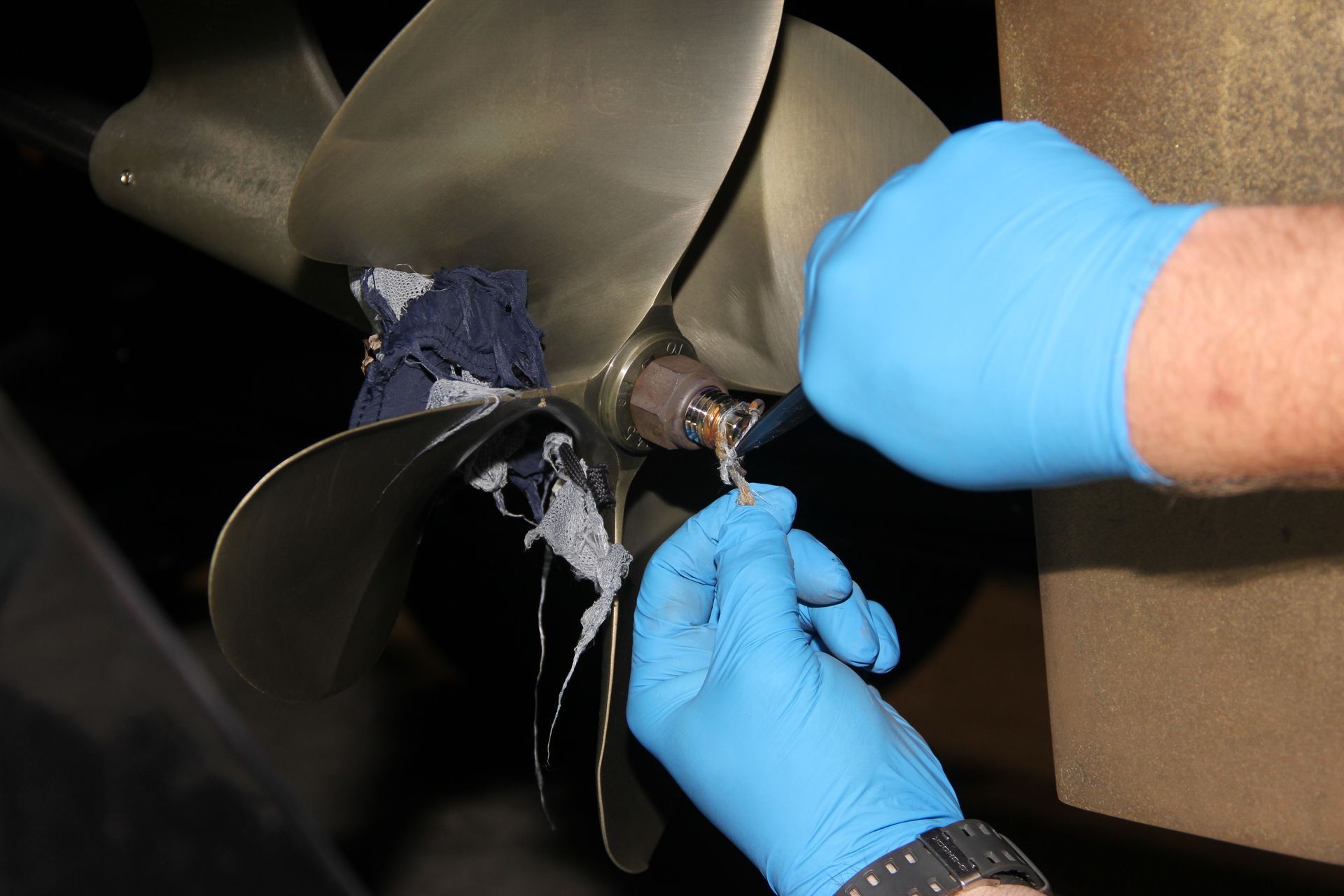
- Vessel inspections
- Hull damage
- Propeller damage
- Steering systems
- Engine components
- Weather conditions
- Water conditions
- Navigation rules
- Witness statements
- Photographs and video
The goal is not simply to determine where a vessel was. Investigators must evaluate whether the available evidence supports a particular sequence of events and identify factors that may have contributed to the incident.
Common Cases That May Benefit from GPS Analysis
GPS and electronic data can be especially useful in investigations involving:
- Boat-to-boat collisions
- Personal watercraft (Jet Ski) accidents
- Wake damage claims
- Dock and marina collisions
- Groundings
- Boat fires
- Mechanical failures
- Commercial vessel incidents
- Wrongful death investigations
- Catastrophic injury cases
The importance of electronic evidence can vary depending on the circumstances. A collision on a busy lake, a grounding in a coastal channel, and a commercial vessel incident on a river may each require different types of evidence and analysis.
How WakeTrace Uses Electronic Evidence
At WakeTrace Marine Forensics, GPS and electronic data analysis is part of a broader marine forensic investigation.
Our investigators may combine electronic evidence with accident reconstruction, vessel inspections, physical evidence analysis, and other investigative methods to develop an objective understanding of a marine incident.
For attorneys and other clients, the findings may also support case evaluation, litigation strategy, expert reports, deposition preparation, and expert testimony when appropriate.
This approach allows electronic evidence to be considered within the full context of the incident rather than as an isolated data point.
Who May Benefit From Marine Accident Reconstruction?
Marine accident reconstruction and electronic evidence analysis may assist:
- Personal injury attorneys
- Maritime attorneys
- Insurance companies
- Boat owners
- Manufacturers
- Marine businesses
- Government agencies
- Individuals involved in serious boating accidents
For cases involving disputed vessel movements, speed, navigation, or operator actions, objective electronic evidence can provide another important source of information for evaluating what occurred.
Contact WakeTrace Marine Forensics
Electronic data can provide valuable insight after a boating accident—but that evidence may become harder to recover or interpret if it is altered, overwritten, damaged, or lost.
WakeTrace Marine Forensics conducts marine forensic investigations, accident reconstruction, evidence analysis, vessel inspections, and litigation-support services for serious boating incidents nationwide.
If a boating accident involves GPS, navigation systems, vessel electronics, or other digital evidence, early investigation can help identify and preserve information that may be important to understanding what happened.
Contact WakeTrace Marine Forensics today →